
From the inimitable Khalil Greene. Find his substack at
Every January, America trots out the same handful of Martin Luther King Jr. quotes. “I have a dream.” “Content of their character.” The safe ones. The non-controversial ones.
But here’s what they don’t show you:
In 1963, King wrote from a Birmingham jail that the “white moderate” was a bigger stumbling block to freedom than the Klan. He said people who preferred “order” over justice were the real enemy of progress.
That’s not in your textbook.
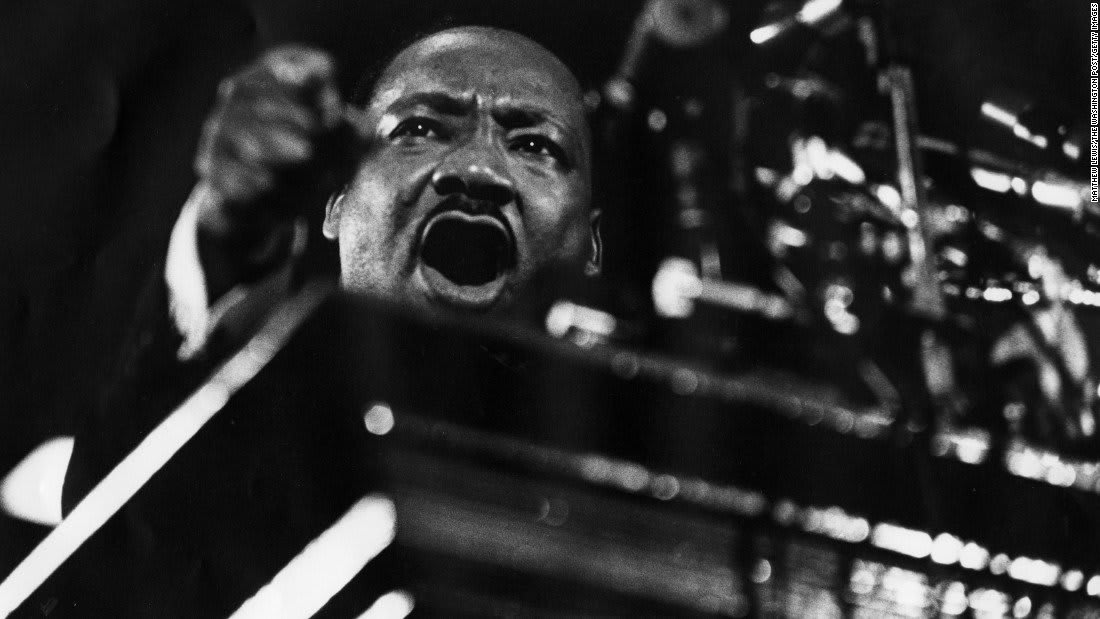
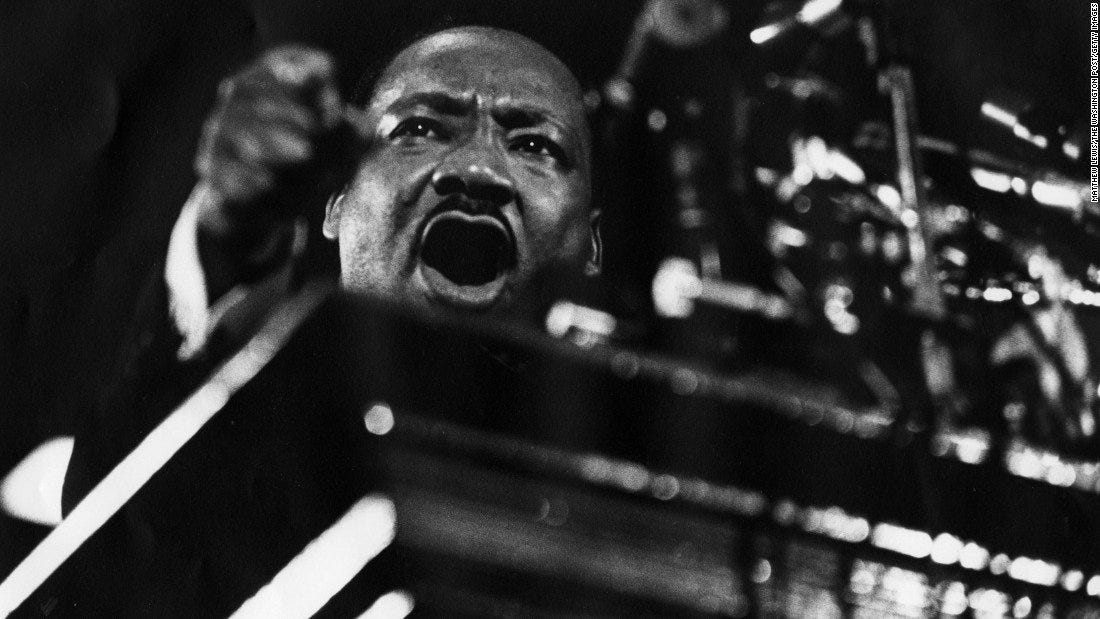
While schools teach that King “hated” violence, they skip the part where he told America: “A riot is the language of the unheard.”
By 1967, King wasn’t just fighting segregation anymore. He was calling out the “triple evils” of racism, extreme materialism, and militarism. He argued for a “radical redistribution of economic power.” He said capitalism itself was built on the exploitation of Black slaves.
He even wrote that a nation that did “something special against” Black people for centuries must now do “something special for” them.
Sound familiar? That’s reparations, in 1967.
This is the King they don’t want you to know.
This shift made him one of the most hated men in America. The FBI labeled him a “traitor” and the “most dangerous Negro in America.” His approval rating cratered to 25%.
And then, after he was killed, they sanitized him. They made his message safe enough for the same people who opposed him to quote him at ceremonies and celebrations.
This is what historical erasure looks like. It’s not always book burnings or dramatic censorship. Just … editing. Trimming the edges until a radical sounds like a moderate.
It’s the same playbook they’re using right now — on Harriet Tubman, on Indigenous history, on anything that makes America uncomfortable.