For the Love of Sentences

For the Love of Sentences

Every time I see this portion of Frank Bruni’s column in the NYT, I’m thrilled. The sentences selected for inclusion are the height of writing brilliance.

He usually includes a section about his dog Regan which I also find irresistible. If you enjoy these as much as I do, I urge you to read his column in the NYT. It’s more about life and making sense of the world around us than politics. Enjoy!

Thanks for reading Capturing Voices! Subscribe for free to receive new posts and support my work.

For the Love of Sentences

Mark Peterson for The New York Times

Ah, the travails of House Speaker Kevin McCarthy. In The Times, Bret Stephens questioned “how McCarthy can manage a Republican circus in which Donald Trump is the ringmaster, Matt Gaetz cracks the whip, and Marjorie Taylor Greene is in charge of the clowns.” Bret also wrote that if McCarthy’s impeachment inquiry “were any more premature, it would be a teenage boy.” (Thanks to Rosemary A. Fletcher-Jones of New Milton, England, and Michael Melius of Hermosa, S.D., among many others, for singling out Bret’s descriptions.)

In The Washington Post, Dana Milbank added: “McCarthy, whose main strength as a leader has always been his steadfast devotion to self-preservation, recognized that he was about to get trampled by the impeachment parade. So he stepped out in front of it and pretended to be the drum major.” (Arlyne Willcox, Manhasset, N.Y., and Mike McNeely, Washington, D.C.)

In USA Today, Rex Huppke wondered at the fierceness of many conservatives’ resistance to a certain accessory — and emblem — of self-protection: “It’s nearly autumn, and that means football, pumpkin spice everything and the new liberal tradition of hanging a KN95 mask on the front door to ward off Republicans.” He later jested that in addition to the front-door mask, “I might sprinkle a little hand sanitizer on the welcome mat for good measure. You can’t be too careful these days.” (Mary Ellen Scribner, Austin, Texas)

In The Globe and Mail of Toronto, Robert Mason Lee recalled the verbal flourishes of Peter C. Newman, a journalist who recently died: “Rather than block a metaphor, he would baste it in a Scheherazade of purple sauce, turning it on a spit until it emerged, plump and dripping in word fat, to be enjoyed time and again.” (Lesley Barsky, Toronto)

The Economist assessed Britain’s official “risk register” of looming threats to society, which seemed “an eccentric bureaucratic hobby” at its inception in 2008. “Since then, Russia has invaded Ukraine; A.I. has threatened to develop godlike intelligence with Old Testament consequences; and the pandemic has killed 25 million people worldwide,” The Economist wrote. “Toby Ord, a philosopher at Oxford, puts the odds of humanity suffering some sort of existential catastrophe within the next century at about one in six. The end, if not yet nigh, feels rather nigher than before.” (Ian Proud, Lewisburg, Pa.)

Returning to The Times: Bill Carter explored the paradox of television talk shows like Jimmy Fallon’s. “On air, the fun is infectious. Off air, the ambience can be like the hold of a Roman galley: Everybody’s rowing, but the flogging can get unpleasant,” he wrote. (Molly Mabe, Virginia Beach, Va., and Daniel Zadunaisky, Mexico City, among others)

Also in The Times, Rowan Ricardo Phillips found an original way to say that it rained: “If you live in New York, you noticed a drop in the temperature this past week; the stifling heat and haze of high-pressure systems passed, and clouds that had loitered for days finally, and rather theatrically, drained themselves and moved on.” (Suzanne Samson, Boonton, N.J.)

Ellen Barry evoked the lingering pain of children whose father died in a plane crash in July 1973. “That summer was a perforated line, separating life with their father from life without him: Tear here.” (Judy Distler, Teaneck, N.J.)

And Tom Friedman cut to the chase: “What Putin is doing in Ukraine is not just reckless, not just a war of choice, not just an invasion in a class of its own for overreach, mendacity, immorality and incompetence, all wrapped in a farrago of lies. What he is doing is evil.” Tom went on to characterize Putin’s outreach to North Korea as “the biggest bank in town having to ask the local pawnshop for a loan.” (Dan Conti, Concord, Mass., and Mike Silk, Laguna Woods, Calif., among others)

To nominate favorite bits of recent writing from The Times or other publications to be mentioned in “For the Love of Sentences,” please email me here and include your name and place of residence.

Thanks for reading Capturing Voices! Subscribe for free to receive new posts and support my work.

For the Love of Sentences

For the Love of Sentences

Every time I see this portion of Frank Bruni’s column in the NYT, I’m thrilled. The sentences selected for inclusion are the height of writing brilliance.

He usually includes a section about his dog Regan which I also find irresistible. If you enjoy these as much as I do, I urge you to read his column in the NYT. It’s more about life and making sense of the world around us than politics. Enjoy!

Thanks for reading Capturing Voices! Subscribe for free to receive new posts and support my work.

For the Love of Sentences

Mark Peterson for The New York Times

Ah, the travails of House Speaker Kevin McCarthy. In The Times, Bret Stephens questioned “how McCarthy can manage a Republican circus in which Donald Trump is the ringmaster, Matt Gaetz cracks the whip, and Marjorie Taylor Greene is in charge of the clowns.” Bret also wrote that if McCarthy’s impeachment inquiry “were any more premature, it would be a teenage boy.” (Thanks to Rosemary A. Fletcher-Jones of New Milton, England, and Michael Melius of Hermosa, S.D., among many others, for singling out Bret’s descriptions.)

In The Washington Post, Dana Milbank added: “McCarthy, whose main strength as a leader has always been his steadfast devotion to self-preservation, recognized that he was about to get trampled by the impeachment parade. So he stepped out in front of it and pretended to be the drum major.” (Arlyne Willcox, Manhasset, N.Y., and Mike McNeely, Washington, D.C.)

In USA Today, Rex Huppke wondered at the fierceness of many conservatives’ resistance to a certain accessory — and emblem — of self-protection: “It’s nearly autumn, and that means football, pumpkin spice everything and the new liberal tradition of hanging a KN95 mask on the front door to ward off Republicans.” He later jested that in addition to the front-door mask, “I might sprinkle a little hand sanitizer on the welcome mat for good measure. You can’t be too careful these days.” (Mary Ellen Scribner, Austin, Texas)

In The Globe and Mail of Toronto, Robert Mason Lee recalled the verbal flourishes of Peter C. Newman, a journalist who recently died: “Rather than block a metaphor, he would baste it in a Scheherazade of purple sauce, turning it on a spit until it emerged, plump and dripping in word fat, to be enjoyed time and again.” (Lesley Barsky, Toronto)

The Economist assessed Britain’s official “risk register” of looming threats to society, which seemed “an eccentric bureaucratic hobby” at its inception in 2008. “Since then, Russia has invaded Ukraine; A.I. has threatened to develop godlike intelligence with Old Testament consequences; and the pandemic has killed 25 million people worldwide,” The Economist wrote. “Toby Ord, a philosopher at Oxford, puts the odds of humanity suffering some sort of existential catastrophe within the next century at about one in six. The end, if not yet nigh, feels rather nigher than before.” (Ian Proud, Lewisburg, Pa.)

Returning to The Times: Bill Carter explored the paradox of television talk shows like Jimmy Fallon’s. “On air, the fun is infectious. Off air, the ambience can be like the hold of a Roman galley: Everybody’s rowing, but the flogging can get unpleasant,” he wrote. (Molly Mabe, Virginia Beach, Va., and Daniel Zadunaisky, Mexico City, among others)

Also in The Times, Rowan Ricardo Phillips found an original way to say that it rained: “If you live in New York, you noticed a drop in the temperature this past week; the stifling heat and haze of high-pressure systems passed, and clouds that had loitered for days finally, and rather theatrically, drained themselves and moved on.” (Suzanne Samson, Boonton, N.J.)

Ellen Barry evoked the lingering pain of children whose father died in a plane crash in July 1973. “That summer was a perforated line, separating life with their father from life without him: Tear here.” (Judy Distler, Teaneck, N.J.)

And Tom Friedman cut to the chase: “What Putin is doing in Ukraine is not just reckless, not just a war of choice, not just an invasion in a class of its own for overreach, mendacity, immorality and incompetence, all wrapped in a farrago of lies. What he is doing is evil.” Tom went on to characterize Putin’s outreach to North Korea as “the biggest bank in town having to ask the local pawnshop for a loan.” (Dan Conti, Concord, Mass., and Mike Silk, Laguna Woods, Calif., among others)

To nominate favorite bits of recent writing from The Times or other publications to be mentioned in “For the Love of Sentences,” please email me here and include your name and place of residence.

Thanks for reading Capturing Voices! Subscribe for free to receive new posts and support my work.

Delivering the Atomic Bombs: The Silverplate B-29

Delivering the Atomic Bombs: The Silverplate B-29

It’s a widely acknowledged fact that the Boeing B-29 Superfortress was the aircraft that executed the historic first atomic attacks, forever altering the course of history. However, the B-29s delivering America’s first atomic weapons were far from ordinary.

Thanks for reading Capturing Voices! Subscribe for free to receive new posts and support my work.

The Boeing B-29 Superfortress is an iconic aircraft that symbolizes American ingenuity, capability, and aviation prowess. Its sleek, aerodynamic lines and cutting-edge technological features were a significant leap in aviation design. This sinusoidal shaped aircraft followed the B-17 and B-24 bombers used by the US Army Air Forces (USAAF). In January 1940, the Air Corps published a requirement for a bomber capable of flying at 400 mph and carrying 10 tons of bombs with a 2,500-mile combat radius. Eventually Boeing’s Model 345 design was approved by Air Corps Chief of Staff General Harley “Hap” Arnold on June 14, 1940, and the aircraft’s prototype made its first flight on September 21, 1942. The B-29 would not only require a significant amount of American aviation production capacity but would eventually become the nation’s single largest military expenditure of the war: With the Manhattan Engineer District (MED) costing the American taxpayer $2 billion, the B-29 program far surpassed that figure with a price tag of $3 billion.

Despite the plane’s technological innovations such as remote-control turrets, computerized targeting, pressurized cabins, powerful new engines, flush riveting, and butt-jointed skin, the innovative design was also rife with technical issues. At the time, USAAF Major General Curtis LeMay, who masterminded the Tokyo firebombing raids and was head of XXI Bomber command, said of the plane: “The B-29 had as many bugs as the entomological department of the Smithsonian. Fast as the bugs got licked, new ones crawled out from beneath the cowling. … If you ever saw a buggy airplane, this was it.”  Despite these initial drawbacks the B-29 eventually proved to be a lethal and effective aircraft over the skies of Japan.

As B-29 production was ramping up, the MED under Major General Leslie Groves and J. Robert Oppenheimer initiated work at the Las Alamos Scientific Lab in New Mexico. While these men and their team of scientists, physicists, and engineers looked to split the atom, another team at Los Alamos addressed the integration of a fission-based weapon with a delivery vehicle. Group E-7 of the Ordnance Department under Norman Ramsey had a rough understanding of the possible weight and dimensions of the weapons under development. They quickly surmised that only two aircraft were capable of carrying a fission-based bomb weighing in at ten tons. The troublesome new B-29 certainly had the capacity and range for such a weapon, but so too did the proven British Avro Lancaster. But the British design was quickly dropped from consideration for two reasons: First, the bomb bay was too narrow to accommodate the envisioned weapon. Second, Arnold refused to allow any aircraft other than an American design to carry an atomic bomb.

THE B-29 ‘SILVER PLATED PROJECT’

Supporting the integration effort, in December 1943, USAAF Headquarters directed that Material Command at Wright Army Airfield in Dayton, Ohio, begin modifying a single B-29 for a secret purpose; a sole B-29 flew from Smoky Hill Army Airfield in Kansas to Dayton to become the first airframe in what was called the “Silver Plated Project.” Eventually shortened to just “Silverplate,” these modified B-29s were significantly different from those conducting conventional bombing raids over Japan. Given the expected explosion, shockwave blast, and radiation from the attack, the Silverplate B-29s required a higher performance envelope in addition to a modified bomb bay to carry the weapon. 

The first Superfortress designated for modification was B-29-5-BW-42-6259. Upon receipt of the aircraft at Wright Field it was immediately modified to the carry the “Thin Man” plutonium-based bomb. While this weapon proved to be a failure, it was the impetus for the first Silverplate. The planned bomb was 17 feet long and unable to fit into either of the B-29’s two bomb bays. As a result, the center fuselage section on the bomber’s belly was removed, as well as the usually mounted radome that sat between the two sets of bomb bay doors. Just under the wing spar, a separate bomb suspension system was needed to secure the weapon into the modified fuselage. However, first tests of this configuration conducted at Muroc Field in California in March resulted in damage to the bay doors, requiring the bomber to return to Wright Field for repair. While a new suspension system was devised, test flights in June 1944 were suspended when Los Alamos personnel realized the futility of the Thin Man design.

Thin Man bomb casings. This bomb design was unsuccessful but served as the impetus for the Silverplate program. (Wikimedia)

The uranium-based bomb known as “Little Boy” was much shorter at only 10 feet, with a diameter of 28 inches. However, it weighed in at 9,700 pounds, near the maximum limit of the B-29’s payload capacity. While Little Boy could easily fit into a single bomb bay, aircraft 42-6259 was returned to its original two-bomb configuration but required a different and more robust release system. This same bomb bay configuration also accommodated the second plutonium design known as the “Fat Man.” After these modifications, the prototype Silverplate B-29 flew to Wendover Army Airfield in Utah and was assigned to the 216th Base Unit. Wendover was a desolate location often referred to derisively by airmen as “Leftover Field.” Despite its remoteness, the location was nearer to Los Alamos and more convenient for the planes used in MED-related testing. Aircraft 42-6259 continued as a test bed until it was damaged in a landing accident in late 1944 and scrapped in 1948.

Postcard from the field where the first Silverplate B-29s were stationed. The card depicts a B-17 Flying Fortress as the post was also the home of many “Flying Fortress” units before they headed for the war in Europe.

However, in August 1944, the second phase of Silverplate began with B-29s constructed at the Glenn L. Martin Aircraft Plant in Omaha, Nebraska (the building still sits today on Offutt Air Force Base). These 17 aircraft, copies of 42-6259, began to arrive at Wendover in October. Once this new batch of aircraft arrived, maintenance crews began to remove the upper and lower turrets to lighten the plane’s overall weight. Three of these airframes were used specifically for Los Alamos test programs helping design bomb components and build ballistic tables. The other 14 were used by the 509th Composite Group for aircrew training. Formed under Lieutenant Colonel Paul Tibbets on December 17, 1944, 509th crews became familiar with these new airframes, flying training missions over the American southwest. In January 1945, Tibbets, along with Los Alamos representatives, met with Boeing engineers to discuss further modifications to the existing Silverplate program. Based upon the mission profiles flown in support of MED testing, additional changes were suggested and incorporated into the third phase of Silverplate development.

The sleek outline of Silverplate B-29s in formation. Sixty-four of these special aircraft were built between 1944 and 1947. (US Air Force photo)

After the January meeting, Tibbets visited Wright Field to arrange this next batch of aircraft. However, instead of modifying the current fleet, the Martin Plant in Omaha, under the auspices of Project 98228-S, provided 20 new Silverplate aircraft that incorporated the discussed changes. With these modifications, this third batch of aircraft were significantly different from the first two, especially the installation of new engines. The Wright R-3350-41 incorporated better cooling, fuel injection, and improved fuel and manifold systems. Mounted on the -41 engines were new propellers with reverse pitch capability, allowing the plane to improve power braking when landing. Additionally, the bomb bay doors used pneumatic actuators, replacing the slower hydraulic system and allowing for a shorter transition period when opening and closing the doors. Just as the crews at Wendover had removed the defensive turrets, this armament was also omitted as part of Phase III, with aircraft rolling off the production line retaining only the rear gunner’s armament.

The Glenn Martin Aircraft Factory Building at Offutt Field near Omaha Nebraska circa 1945. This factory was responsible for the construction of the Phase III Silverplate B-29s. The building still stands today and is known as Building “D” at Offutt Air Force Base. (National Archives)

Perhaps most importantly, the bomb bay was now fitted with an H-frame structure with improved sway braces that accommodated both Little Boy and Fat Man. The bomb bays also included both a dual electric and manual release system for the payload as it sat in the forward bay. Connected to these bomb-related modifications, a new crew position was also created. Just behind the radioman’s seat, an electronics test officer station was installed. This new crewman monitored the various electronic equipment and cables associated with the bomb once airborne. For the atomic raids, this crewman and an assistant fully armed and prepared the weapon for use.

These modifications were required not only to deliver the bomb over Japan but also,  perhaps more importantly, to make good the egress of the plane and crew from the target area once the weapon was delivered. The B-29 is a large aircraft, with a 141-foot wingspan and a 99-foot fuselage, and weighing 105,000 pounds. Despite this large size, after release of the weapon, the aircrew was to execute a 155-degree diving right turn at a 60-degree angle of bank. While losing 1,700 feet of attitude, the plane’s engines also had to be flown at full tilt to give the crew a 10-mile separation from the point of impact. The lightening of the load, the more powerful engines, and the quick cycling of the weapons bomb bay door were all important factors in putting as much space as possible between the bomber and bomb.

DELIVERING THE ATOMIC BOMBS

At Tinian, the 509th had a complement of 15 Silverplates and conducted orientation, training, and combat missions before the atomic attacks. Many of the crews dropped what was referred to as “pumpkin” bombs that were the same dimensions of the Fat Man but had similar ballistic characteristics. However, instead of fissionable material, these bombs were loaded with conventional explosives and weighed only 6,300 pounds. In addition to training missions, 509th aircrews also flew 51 combat sorties over Japan armed with the pumpkins. All of the planes involved in the atomic attacks of August 6 and 9 were Phase III Silverplates. While the atomic attack itself required only one bomber, the planned missions involved multiple aircraft. The Enola Gay mission that dropped Little Boy on Hiroshima included six other Silverplate airframes that either carried scientific instruments measuring effects of the blast, served as weather reconnaissance platforms, were assigned photographic responsibilities, or stood by as backup platforms. The Bockscar mission dropping Fat Man on Nagasaki was also planned to have six Silverplates but failed to rendezvous with its assigned photographic escort.   

There would be two more phases of Silverplate production for a total run of 64 aircraft. These special bombers were in use for six years, serving as America’s sole platform for atomic weapons following the war. Assigned to the US Air Force’s Strategic Air Command, they remained in frontline service until 1949 when they were finally replaced by the B-50 and B-36 Peacemaker bombers. Until these new airframes were available, the handful of Silverplates were flown regularly and by the time of their retirement were described as “quite weary.” Until their removal from the inventory, they provided a yeoman service during a key time in American history. Not only were they weapons of war, but they served as symbols of American military might and resolve. 

Thanks for reading Capturing Voices! Subscribe for free to receive new posts and support my work.

Delivering the Atomic Bombs: The Silverplate B-29

Delivering the Atomic Bombs: The Silverplate B-29

It’s a widely acknowledged fact that the Boeing B-29 Superfortress was the aircraft that executed the historic first atomic attacks, forever altering the course of history. However, the B-29s delivering America’s first atomic weapons were far from ordinary.

Thanks for reading Capturing Voices! Subscribe for free to receive new posts and support my work.

The Boeing B-29 Superfortress is an iconic aircraft that symbolizes American ingenuity, capability, and aviation prowess. Its sleek, aerodynamic lines and cutting-edge technological features were a significant leap in aviation design. This sinusoidal shaped aircraft followed the B-17 and B-24 bombers used by the US Army Air Forces (USAAF). In January 1940, the Air Corps published a requirement for a bomber capable of flying at 400 mph and carrying 10 tons of bombs with a 2,500-mile combat radius. Eventually Boeing’s Model 345 design was approved by Air Corps Chief of Staff General Harley “Hap” Arnold on June 14, 1940, and the aircraft’s prototype made its first flight on September 21, 1942. The B-29 would not only require a significant amount of American aviation production capacity but would eventually become the nation’s single largest military expenditure of the war: With the Manhattan Engineer District (MED) costing the American taxpayer $2 billion, the B-29 program far surpassed that figure with a price tag of $3 billion.

Despite the plane’s technological innovations such as remote-control turrets, computerized targeting, pressurized cabins, powerful new engines, flush riveting, and butt-jointed skin, the innovative design was also rife with technical issues. At the time, USAAF Major General Curtis LeMay, who masterminded the Tokyo firebombing raids and was head of XXI Bomber command, said of the plane: “The B-29 had as many bugs as the entomological department of the Smithsonian. Fast as the bugs got licked, new ones crawled out from beneath the cowling. … If you ever saw a buggy airplane, this was it.”  Despite these initial drawbacks the B-29 eventually proved to be a lethal and effective aircraft over the skies of Japan.

As B-29 production was ramping up, the MED under Major General Leslie Groves and J. Robert Oppenheimer initiated work at the Las Alamos Scientific Lab in New Mexico. While these men and their team of scientists, physicists, and engineers looked to split the atom, another team at Los Alamos addressed the integration of a fission-based weapon with a delivery vehicle. Group E-7 of the Ordnance Department under Norman Ramsey had a rough understanding of the possible weight and dimensions of the weapons under development. They quickly surmised that only two aircraft were capable of carrying a fission-based bomb weighing in at ten tons. The troublesome new B-29 certainly had the capacity and range for such a weapon, but so too did the proven British Avro Lancaster. But the British design was quickly dropped from consideration for two reasons: First, the bomb bay was too narrow to accommodate the envisioned weapon. Second, Arnold refused to allow any aircraft other than an American design to carry an atomic bomb.

THE B-29 ‘SILVER PLATED PROJECT’

Supporting the integration effort, in December 1943, USAAF Headquarters directed that Material Command at Wright Army Airfield in Dayton, Ohio, begin modifying a single B-29 for a secret purpose; a sole B-29 flew from Smoky Hill Army Airfield in Kansas to Dayton to become the first airframe in what was called the “Silver Plated Project.” Eventually shortened to just “Silverplate,” these modified B-29s were significantly different from those conducting conventional bombing raids over Japan. Given the expected explosion, shockwave blast, and radiation from the attack, the Silverplate B-29s required a higher performance envelope in addition to a modified bomb bay to carry the weapon. 

The first Superfortress designated for modification was B-29-5-BW-42-6259. Upon receipt of the aircraft at Wright Field it was immediately modified to the carry the “Thin Man” plutonium-based bomb. While this weapon proved to be a failure, it was the impetus for the first Silverplate. The planned bomb was 17 feet long and unable to fit into either of the B-29’s two bomb bays. As a result, the center fuselage section on the bomber’s belly was removed, as well as the usually mounted radome that sat between the two sets of bomb bay doors. Just under the wing spar, a separate bomb suspension system was needed to secure the weapon into the modified fuselage. However, first tests of this configuration conducted at Muroc Field in California in March resulted in damage to the bay doors, requiring the bomber to return to Wright Field for repair. While a new suspension system was devised, test flights in June 1944 were suspended when Los Alamos personnel realized the futility of the Thin Man design.

Thin Man bomb casings. This bomb design was unsuccessful but served as the impetus for the Silverplate program. (Wikimedia)

The uranium-based bomb known as “Little Boy” was much shorter at only 10 feet, with a diameter of 28 inches. However, it weighed in at 9,700 pounds, near the maximum limit of the B-29’s payload capacity. While Little Boy could easily fit into a single bomb bay, aircraft 42-6259 was returned to its original two-bomb configuration but required a different and more robust release system. This same bomb bay configuration also accommodated the second plutonium design known as the “Fat Man.” After these modifications, the prototype Silverplate B-29 flew to Wendover Army Airfield in Utah and was assigned to the 216th Base Unit. Wendover was a desolate location often referred to derisively by airmen as “Leftover Field.” Despite its remoteness, the location was nearer to Los Alamos and more convenient for the planes used in MED-related testing. Aircraft 42-6259 continued as a test bed until it was damaged in a landing accident in late 1944 and scrapped in 1948.

Postcard from the field where the first Silverplate B-29s were stationed. The card depicts a B-17 Flying Fortress as the post was also the home of many “Flying Fortress” units before they headed for the war in Europe.

However, in August 1944, the second phase of Silverplate began with B-29s constructed at the Glenn L. Martin Aircraft Plant in Omaha, Nebraska (the building still sits today on Offutt Air Force Base). These 17 aircraft, copies of 42-6259, began to arrive at Wendover in October. Once this new batch of aircraft arrived, maintenance crews began to remove the upper and lower turrets to lighten the plane’s overall weight. Three of these airframes were used specifically for Los Alamos test programs helping design bomb components and build ballistic tables. The other 14 were used by the 509th Composite Group for aircrew training. Formed under Lieutenant Colonel Paul Tibbets on December 17, 1944, 509th crews became familiar with these new airframes, flying training missions over the American southwest. In January 1945, Tibbets, along with Los Alamos representatives, met with Boeing engineers to discuss further modifications to the existing Silverplate program. Based upon the mission profiles flown in support of MED testing, additional changes were suggested and incorporated into the third phase of Silverplate development.

The sleek outline of Silverplate B-29s in formation. Sixty-four of these special aircraft were built between 1944 and 1947. (US Air Force photo)

After the January meeting, Tibbets visited Wright Field to arrange this next batch of aircraft. However, instead of modifying the current fleet, the Martin Plant in Omaha, under the auspices of Project 98228-S, provided 20 new Silverplate aircraft that incorporated the discussed changes. With these modifications, this third batch of aircraft were significantly different from the first two, especially the installation of new engines. The Wright R-3350-41 incorporated better cooling, fuel injection, and improved fuel and manifold systems. Mounted on the -41 engines were new propellers with reverse pitch capability, allowing the plane to improve power braking when landing. Additionally, the bomb bay doors used pneumatic actuators, replacing the slower hydraulic system and allowing for a shorter transition period when opening and closing the doors. Just as the crews at Wendover had removed the defensive turrets, this armament was also omitted as part of Phase III, with aircraft rolling off the production line retaining only the rear gunner’s armament.

The Glenn Martin Aircraft Factory Building at Offutt Field near Omaha Nebraska circa 1945. This factory was responsible for the construction of the Phase III Silverplate B-29s. The building still stands today and is known as Building “D” at Offutt Air Force Base. (National Archives)

Perhaps most importantly, the bomb bay was now fitted with an H-frame structure with improved sway braces that accommodated both Little Boy and Fat Man. The bomb bays also included both a dual electric and manual release system for the payload as it sat in the forward bay. Connected to these bomb-related modifications, a new crew position was also created. Just behind the radioman’s seat, an electronics test officer station was installed. This new crewman monitored the various electronic equipment and cables associated with the bomb once airborne. For the atomic raids, this crewman and an assistant fully armed and prepared the weapon for use.

These modifications were required not only to deliver the bomb over Japan but also,  perhaps more importantly, to make good the egress of the plane and crew from the target area once the weapon was delivered. The B-29 is a large aircraft, with a 141-foot wingspan and a 99-foot fuselage, and weighing 105,000 pounds. Despite this large size, after release of the weapon, the aircrew was to execute a 155-degree diving right turn at a 60-degree angle of bank. While losing 1,700 feet of attitude, the plane’s engines also had to be flown at full tilt to give the crew a 10-mile separation from the point of impact. The lightening of the load, the more powerful engines, and the quick cycling of the weapons bomb bay door were all important factors in putting as much space as possible between the bomber and bomb.

DELIVERING THE ATOMIC BOMBS

At Tinian, the 509th had a complement of 15 Silverplates and conducted orientation, training, and combat missions before the atomic attacks. Many of the crews dropped what was referred to as “pumpkin” bombs that were the same dimensions of the Fat Man but had similar ballistic characteristics. However, instead of fissionable material, these bombs were loaded with conventional explosives and weighed only 6,300 pounds. In addition to training missions, 509th aircrews also flew 51 combat sorties over Japan armed with the pumpkins. All of the planes involved in the atomic attacks of August 6 and 9 were Phase III Silverplates. While the atomic attack itself required only one bomber, the planned missions involved multiple aircraft. The Enola Gay mission that dropped Little Boy on Hiroshima included six other Silverplate airframes that either carried scientific instruments measuring effects of the blast, served as weather reconnaissance platforms, were assigned photographic responsibilities, or stood by as backup platforms. The Bockscar mission dropping Fat Man on Nagasaki was also planned to have six Silverplates but failed to rendezvous with its assigned photographic escort.   

There would be two more phases of Silverplate production for a total run of 64 aircraft. These special bombers were in use for six years, serving as America’s sole platform for atomic weapons following the war. Assigned to the US Air Force’s Strategic Air Command, they remained in frontline service until 1949 when they were finally replaced by the B-50 and B-36 Peacemaker bombers. Until these new airframes were available, the handful of Silverplates were flown regularly and by the time of their retirement were described as “quite weary.” Until their removal from the inventory, they provided a yeoman service during a key time in American history. Not only were they weapons of war, but they served as symbols of American military might and resolve. 

Thanks for reading Capturing Voices! Subscribe for free to receive new posts and support my work.

Beg the Question: It’s not begging at all

Beg the Question: It’s not begging at all

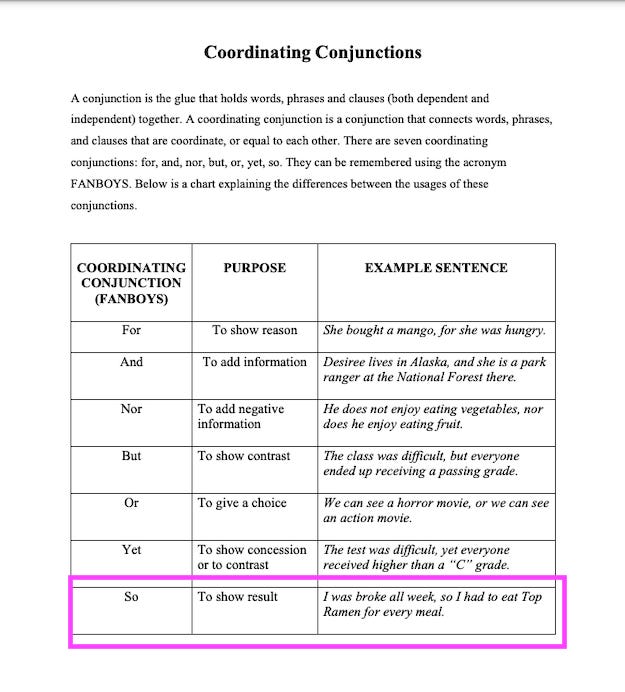
In contemporary English, “Beg the question” has expanded its range of meanings beyond its initial definition. While the original sense of the phrase remains in use, linguistic experts and lexicographers assert that it has ceased to be the primary interpretation since the mid-18th century. This article by Merriam-Webster delves into the intricacies of “begging the question,” exploring its meaning, origins, and how to employ it – or rather not employ it.

Thanks for reading Capturing Voices! Subscribe for free to receive new posts and support my work.

What to Know

Begging the question means “to elicit a specific question as a reaction or response,” and can often be replaced with “a question that begs to be answered.” However, a lesser used and more formal definition is “to ignore a question under the assumption it has already been answered.” The phrase itself comes from a translation of an Aristotelian phrase rendered as “beg the question” but meaning “assume the conclusion.”

Beg the question: it’s an odd phrase if you think about it, but most of us don’t:

The U.S. Postal service says that personal letter delivery is at an all-time low…. Which begs the question: are open letters the only kind the future will know?
— Charlotte Alter, Time, 2 Dec. 2015

Capabilities, says Mr [Amartya] Sen, are ends that economists should strive to maximize…. That begs the question of which capabilities a society should maximise.
The Economist, 20 Dec. 2014

It’s not the first time a fan has been injured by a batted ball or broken bat flying into the stands, nor is it likely to be the last. But that begs the question: Why are teams putting fans at risk in the first place?
— Matt Lindner, The Chicago Tribune, 25 Aug. 2015

What Does Beg the Question Actually Mean

In each of these, beg the question means “to cause someone to ask a specified question as a reaction or response.” What’s the beg about? Why isn’t it “elicit the question” or “raise the question”?

‘Beg the question’ is a phrase from formal logic—it’s a 16th century translator’s rendering of Aristotle’s ‘petitio principii’. A better translation would have been “assume the conclusion.”

It makes more sense in a newer version of the phrase. Since the 1960s we’ve seen a steady increase in phrases like a question that begs to be answered and one question begs an answer:

The influx of big data has boosted granular targeting capabilities, and with the rate at which data is being generated, a natural question that begs to be asked is, “what’s next?”
— Val Katayev, Forbes, 23 Nov. 2015

Still, the question begs to be asked: How could a team with one road win possibly be overconfident?
— Janie McCauley, The Associated Press, 14 Dec. 2015

The other key question that begs to be answered is: what is valuable in Yahoo to buy?
— Leslie Settles, The Wall Street Observer, 5 Dec. 2015

These uses still trail beg the question by a lot, but they’re increasing—most likely because the logic in them is more easily seen.

There’s a segment of the population that would be enormously relieved if phrases like a question that begs an answer replaced the usual begs the question uses. These are people who think using beg the question to mean “to cause someone to ask a specified question as a reaction or response” is completely and thoroughly wrong. There are probably more of these people than you think, and they are judging the rest of us.

Other Uses of Beg the Question

For these people, the only “correct” way to use the phrase beg the question is with the meaning “to ignore a question or issue by assuming it has been answered or settled.” They think these examples are acceptable:

Rich parents send their daughters to all-female schools; why shouldn’t the daughters of the poor enjoy similar advantages? That’s an appeal bound to elicit sympathy, especially from guilty liberals, but it begs the question of whether the daughters of the rich benefit from single-sex education. Perhaps they benefit merely from being rich and attending elite private schools with favorable student-teacher ratios and superior facilities and curricula.
— Wendy Kaminer, The Atlantic, April 1998

But the notion of a homunculus—a “little man”—inside the brain who watches the world on something like a little television set is hardly an explanation, because it begs the question of how the little man himself is able to perceive things. Concealed in him must be an even smaller man who watches an itsy-bitsier TV, and so on ad infinitum, like nested Chinese boxes.
— Paul Hoffman, Discover, September 1987

The problem is that beg the question is only very rarely used this way, as language blogger Stan Carey explains here. In our dictionary the sense bears the label “formal.”

The formal meaning does, though, help us get to the origin of the phrase itself.

Origin of Beg the Question

Beg the question is a phrase from formal logic. We have Aristotle to thank for it—or, actually, an anonymous 16th century translator who took Aristotle’s phrase petitio principii and rendered it in English as “beg the question.” A better translation would have been “assume the conclusion,” as linguist Mark Liberman at Language Log explains; petitio principii is used to name the logical fallacy in which an argument assumes the very thing it’s trying to prove. Here’s an example:

If left to themselves, children will naturally do the right thing because people are intrinsically good.

This statement tries to prove that children will naturally do the right thing by using the unproven assertion that people are intrinsically good. That assertion is problematic because it is little more than a broader version of the thing that is being proven.

So that’s where beg the question comes from, but all this, ahem, begs the question of what you should do with all this knowledge about the phrase. Liberman recommends that people avoid it altogether (but also “cultivate an attitude of serene detachment in the face of its use by others”).

You may take his recommendation, or you may use beg the question to mean either “to cause someone to ask a specified question as a reaction or response” or “to ignore a question or issue by assuming it has been answered or settled.” Both uses are established, and the first one is ubiquitous.

One more little matter here: the “to ignore a question or issue” meaning of beg the question has led to a meaning of beg defined as “evade” or “sidestep.” It’s typically found in phrases like “beg the issue” or “beg the point”:

Some of you may be quick to notice that steroids and other PEDs [performance enhancing drugs] are banned. It’s cheating to use them. But not so surgery, which is entirely on the up and up. But this just begs the issue. Why have we banned use of performance enhancing medicine but not surgery?
— Alva Noë, NPR.org, 26 July 2013

The haters don’t like that either, but it too is fully established.

Thanks for reading Capturing Voices! Subscribe for free to receive new posts and support my work.

Beg the Question: It’s not begging at all

Beg the Question: It’s not begging at all

In contemporary English, “Beg the question” has expanded its range of meanings beyond its initial definition. While the original sense of the phrase remains in use, linguistic experts and lexicographers assert that it has ceased to be the primary interpretation since the mid-18th century. This article by Merriam-Webster delves into the intricacies of “begging the question,” exploring its meaning, origins, and how to employ it – or rather not employ it.

Thanks for reading Capturing Voices! Subscribe for free to receive new posts and support my work.

What to Know

Begging the question means “to elicit a specific question as a reaction or response,” and can often be replaced with “a question that begs to be answered.” However, a lesser used and more formal definition is “to ignore a question under the assumption it has already been answered.” The phrase itself comes from a translation of an Aristotelian phrase rendered as “beg the question” but meaning “assume the conclusion.”

Beg the question: it’s an odd phrase if you think about it, but most of us don’t:

The U.S. Postal service says that personal letter delivery is at an all-time low…. Which begs the question: are open letters the only kind the future will know?
— Charlotte Alter, Time, 2 Dec. 2015

Capabilities, says Mr [Amartya] Sen, are ends that economists should strive to maximize…. That begs the question of which capabilities a society should maximise.
The Economist, 20 Dec. 2014

It’s not the first time a fan has been injured by a batted ball or broken bat flying into the stands, nor is it likely to be the last. But that begs the question: Why are teams putting fans at risk in the first place?
— Matt Lindner, The Chicago Tribune, 25 Aug. 2015

What Does Beg the Question Actually Mean

In each of these, beg the question means “to cause someone to ask a specified question as a reaction or response.” What’s the beg about? Why isn’t it “elicit the question” or “raise the question”?

‘Beg the question’ is a phrase from formal logic—it’s a 16th century translator’s rendering of Aristotle’s ‘petitio principii’. A better translation would have been “assume the conclusion.”

It makes more sense in a newer version of the phrase. Since the 1960s we’ve seen a steady increase in phrases like a question that begs to be answered and one question begs an answer:

The influx of big data has boosted granular targeting capabilities, and with the rate at which data is being generated, a natural question that begs to be asked is, “what’s next?”
— Val Katayev, Forbes, 23 Nov. 2015

Still, the question begs to be asked: How could a team with one road win possibly be overconfident?
— Janie McCauley, The Associated Press, 14 Dec. 2015

The other key question that begs to be answered is: what is valuable in Yahoo to buy?
— Leslie Settles, The Wall Street Observer, 5 Dec. 2015

These uses still trail beg the question by a lot, but they’re increasing—most likely because the logic in them is more easily seen.

There’s a segment of the population that would be enormously relieved if phrases like a question that begs an answer replaced the usual begs the question uses. These are people who think using beg the question to mean “to cause someone to ask a specified question as a reaction or response” is completely and thoroughly wrong. There are probably more of these people than you think, and they are judging the rest of us.

Other Uses of Beg the Question

For these people, the only “correct” way to use the phrase beg the question is with the meaning “to ignore a question or issue by assuming it has been answered or settled.” They think these examples are acceptable:

Rich parents send their daughters to all-female schools; why shouldn’t the daughters of the poor enjoy similar advantages? That’s an appeal bound to elicit sympathy, especially from guilty liberals, but it begs the question of whether the daughters of the rich benefit from single-sex education. Perhaps they benefit merely from being rich and attending elite private schools with favorable student-teacher ratios and superior facilities and curricula.
— Wendy Kaminer, The Atlantic, April 1998

But the notion of a homunculus—a “little man”—inside the brain who watches the world on something like a little television set is hardly an explanation, because it begs the question of how the little man himself is able to perceive things. Concealed in him must be an even smaller man who watches an itsy-bitsier TV, and so on ad infinitum, like nested Chinese boxes.
— Paul Hoffman, Discover, September 1987

The problem is that beg the question is only very rarely used this way, as language blogger Stan Carey explains here. In our dictionary the sense bears the label “formal.”

The formal meaning does, though, help us get to the origin of the phrase itself.

Origin of Beg the Question

Beg the question is a phrase from formal logic. We have Aristotle to thank for it—or, actually, an anonymous 16th century translator who took Aristotle’s phrase petitio principii and rendered it in English as “beg the question.” A better translation would have been “assume the conclusion,” as linguist Mark Liberman at Language Log explains; petitio principii is used to name the logical fallacy in which an argument assumes the very thing it’s trying to prove. Here’s an example:

If left to themselves, children will naturally do the right thing because people are intrinsically good.

This statement tries to prove that children will naturally do the right thing by using the unproven assertion that people are intrinsically good. That assertion is problematic because it is little more than a broader version of the thing that is being proven.

So that’s where beg the question comes from, but all this, ahem, begs the question of what you should do with all this knowledge about the phrase. Liberman recommends that people avoid it altogether (but also “cultivate an attitude of serene detachment in the face of its use by others”).

You may take his recommendation, or you may use beg the question to mean either “to cause someone to ask a specified question as a reaction or response” or “to ignore a question or issue by assuming it has been answered or settled.” Both uses are established, and the first one is ubiquitous.

One more little matter here: the “to ignore a question or issue” meaning of beg the question has led to a meaning of beg defined as “evade” or “sidestep.” It’s typically found in phrases like “beg the issue” or “beg the point”:

Some of you may be quick to notice that steroids and other PEDs [performance enhancing drugs] are banned. It’s cheating to use them. But not so surgery, which is entirely on the up and up. But this just begs the issue. Why have we banned use of performance enhancing medicine but not surgery?
— Alva Noë, NPR.org, 26 July 2013

The haters don’t like that either, but it too is fully established.

Thanks for reading Capturing Voices! Subscribe for free to receive new posts and support my work.