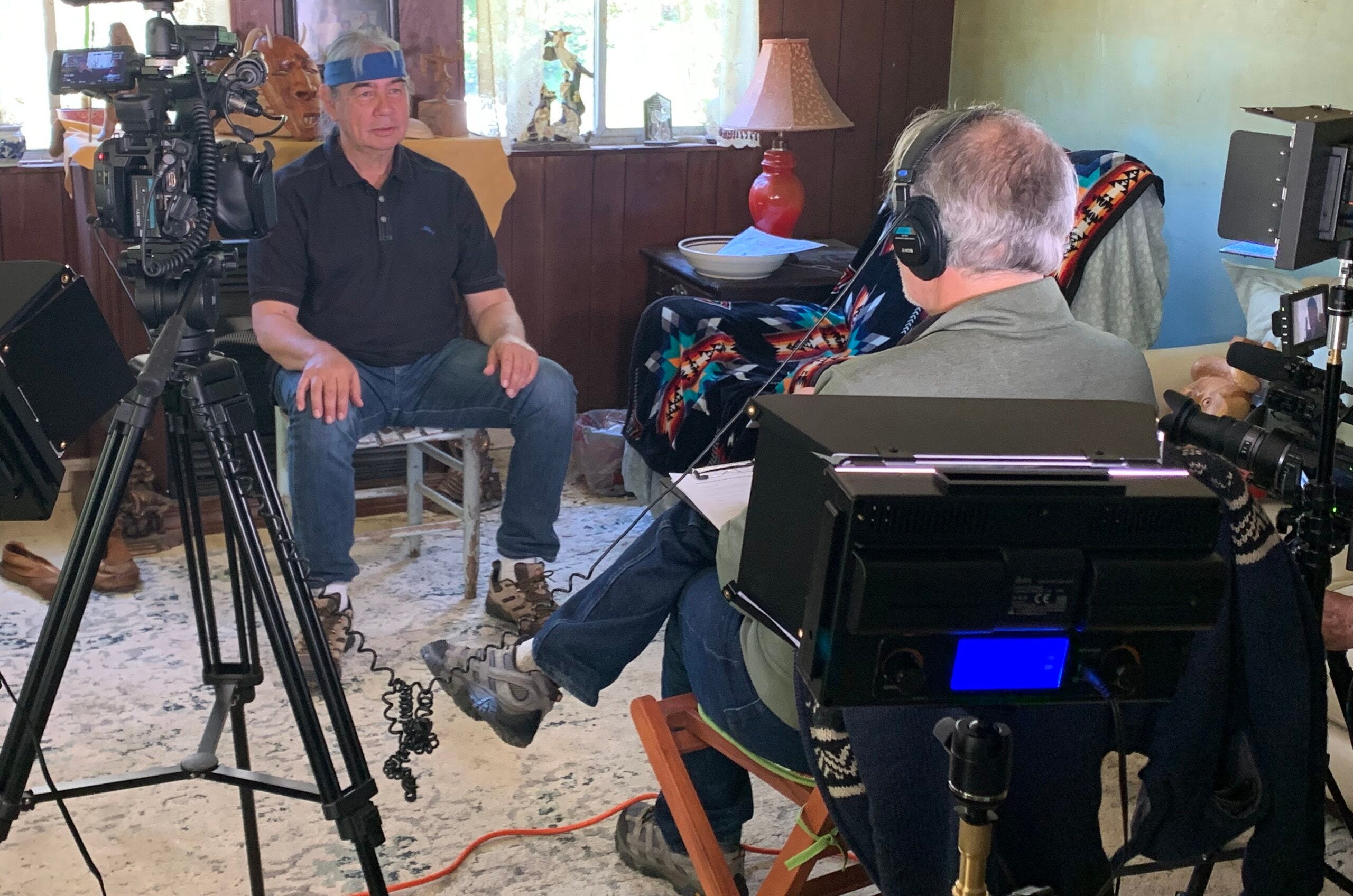
OHA is Hiring!

OHA is Hiring!

The Oral History Association (OHA) seeks to hire a full-time program associate to assist in the operation of its Executive Office. Since 1966, the OHA has served as the principal membership organization for people committed to the value of oral history. Job tasks assigned to the program associate include assisting in planning the annual meeting, […]

Zonderwater: a concentration camp in South Africa

Zonderwater: a concentration camp in South Africa

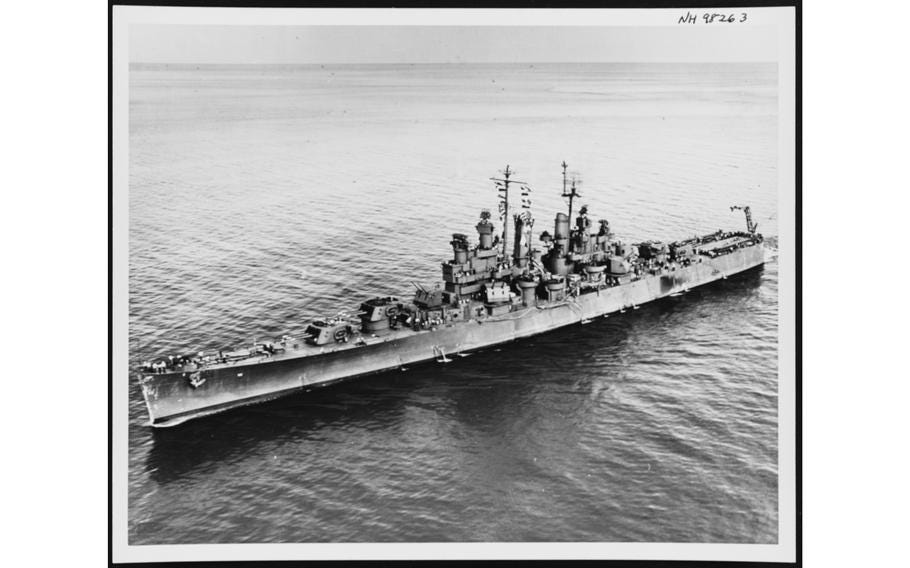
The POW camp of Zonderwater, which can more accurately be described as a city, was the largest of the eighteen POW camps built by the Allies. Considering its dimension and the amount of POW it housed, it’s remarkable that so little is heard about it when the history of WWII is discussed.

Thanks for reading Capturing Voices! Subscribe for free to receive new posts and support my work.

North Africa was probably one of the fronts most neglected both by Hitler and Mussolini during the Second World War.  The conflict began with a few skirmishes along the border in June 1940 and ended in May 1943 with the surrender of the Axis troops in Tunisia. But this theatre of war certainly was not of secondary importance given the number of soldiers involved in the fighting, the increasing number of events that took place, the consequences of these events in respect of the European scenario and finally, the fact that these arid deserts were the site of the first truly bloody battles of the war. Rommel was recalled to the homeland by Hitler as he was trying to break through to El Alamein and reach the Suez Canal in order to arrive at the oil wells of the Middle East. But the person sent to replace him temporarily compromised the Italian-German offensive by erroneous decisions and by the time Rommel hastily returned in October, he was left with no choice other than to order German troops to withdraw. The Italians were left with the thankless task of protecting the flight of its ally. In May 1943 the dream of the “fourth flank” vanished.

After the battle of Sidi El Barrani (December 1940), as part of Operation Compass, English troops found themselves in a hostile environment, having to manage the logistics of thousands of prisoners that the rules of caution and good sense, even more than the rules of military strategy, dictated should be removed from a scenario too close to combat zones, where the situation was still highly fluid and with no possible winner in sight.

The solution, almost inevitable, was offered by its joint state of war with the Commonwealth of South Africa, whose government, headed by Jan Smuts, had rejected neutrality and even an alliance with the Kingdom of Italy and with the Third Reich, by a narrow margin. Thus it was that many Italian prisoners in Egypt were embarked in Suez on the same ships that, in the opposite direction, had brought troops to the Mediterranean front. The prisoners were disembarked in Durban and taken to numerous prison camps in what was and still is the largest state, South Africa. The white minority in power, in part of British origin, ensured loyalty to the Crown and guardianship of the vast territory.

The largest of these camps (actually the largest Italian prisoner of war camp anywhere during the entire conflict) was Zonderwater, which in the Boer language means “without water “. It’s not easy to find on maps of the Gauteng Region, known as the Transvaal up to 1994, capital Johannesburg. Beginning in the spring of 1941, the first ten thousand prisoners coming from the fronts of Ethiopia and Eritrea were brought to this desolate and arid wilderness, shaped like an amphitheatre, near the Cullinan mine (where in 1905 the largest rough diamond in the world was found, weighing 3,106.75 carats).

At the time the barracks had not been built yet and the soldiers had to sleep out in the open in tents and endure harsh treatment by the guards. Food was scarce according to the super partes reports of the International Red Cross; confirmed by the diaries and letters of prisoners that had escaped censorship, prisoners whose number quickly rocketed upwards.

By the end of the following year Colonel Hendrik Frederik Prinsloo was put in charge of the camp. When he was a child Col. Prinsloo had been interned in a concentration camp by the English during the Anglo-Boer War and thus he had firsthand experience with the harshness of segregation. Because of this he displayed a sense of strength and humanity by having the prisoners themselves build a small city of 14 Blocks, each with 4 Camps of 2,000 men each, each camp having 24 barracks with sheet metal roofs. An agglomeration destined to hold over 100,000 soldiers, with 30 km of roads, mess halls, theatres, schools, gyms, where the internees could be kept occupied and avoid hunger and despair; there were also hospitals with over 3,000 beds and churches where military chaplains tried to impose a minimum of discipline that other officers, sent to India in disregard of the Geneva Convention, could no longer provide.

Inside the Blocks surrounded by barbed wire fencing and guarded by armed sentries on raised platforms, the p.o.w. (prisoners of war) could circulate freely, but it was still a prison, and after months or years of combat and deprivation, humiliation and defeat, anxiety and uncertainty regarding the date of repatriation, the psyche of all concerned was severely tested. Some went literally mad and were hospitalized in a special unit of the hospital. Some attempted to escape toward Mozambique, where there was an Italian Consulate, but once recaptured they were sent to the “red house” for 28 days, where they suffered harsh punishment.

All the prisoners were counted (sometimes even two months after capture, a period during which the soldier was declared as “lost”) and a clinical record compiled for each, regardless of his health status. Copies of these cards are still preserved by the Associazione Zonderwater Block ex POW, thanks to copies that had been providentially made of cards that had been sent on a ship bound for Italy and that was unfortunately sunk.

Frequently the prisoners were transferred from one block to another. This procedure followed very specific ideological criteria after September 8, 1943, when the understandable tensions of exacerbated souls sharpened according to the various political orientations of the soldiers. Some chose to collaborate with their captors and were sent to work outside the camp, in various activities, and for them life was less difficult; others remained loyal to their oath and preferred to wait for repatriation in spite of the uncertainty of food and general conditions. But repatriation was not achieved by 252 of these prisoners: they rest in the cemetery that, together with the museum, chapel and a monument called The Three Arches (today a symbol of the camp) now represent a little corner of Italian soil in South Africa, all that remains after the departure of the last p.o.w. in 1947, when the sheds were torn down and the camp dismantled.

Here, every first Sunday of November, the Italian community comes together in the presence of diplomatic authorities of both countries to commemorate the approximately 109,000 soldiers who, ten thousand kilometers from Italy, sacrificed part of their youth as they waited and yearned for their return home.

Thanks for reading Capturing Voices! Subscribe for free to receive new posts and support my work.

Zonderwater: a concentration camp in South Africa

Zonderwater: a concentration camp in South Africa

The POW camp of Zonderwater, which can more accurately be described as a city, was the largest of the eighteen POW camps built by the Allies. Considering its dimension and the amount of POW it housed, it’s remarkable that so little is heard about it when the history of WWII is discussed.

Thanks for reading Capturing Voices! Subscribe for free to receive new posts and support my work.

North Africa was probably one of the fronts most neglected both by Hitler and Mussolini during the Second World War.  The conflict began with a few skirmishes along the border in June 1940 and ended in May 1943 with the surrender of the Axis troops in Tunisia. But this theatre of war certainly was not of secondary importance given the number of soldiers involved in the fighting, the increasing number of events that took place, the consequences of these events in respect of the European scenario and finally, the fact that these arid deserts were the site of the first truly bloody battles of the war. Rommel was recalled to the homeland by Hitler as he was trying to break through to El Alamein and reach the Suez Canal in order to arrive at the oil wells of the Middle East. But the person sent to replace him temporarily compromised the Italian-German offensive by erroneous decisions and by the time Rommel hastily returned in October, he was left with no choice other than to order German troops to withdraw. The Italians were left with the thankless task of protecting the flight of its ally. In May 1943 the dream of the “fourth flank” vanished.

After the battle of Sidi El Barrani (December 1940), as part of Operation Compass, English troops found themselves in a hostile environment, having to manage the logistics of thousands of prisoners that the rules of caution and good sense, even more than the rules of military strategy, dictated should be removed from a scenario too close to combat zones, where the situation was still highly fluid and with no possible winner in sight.

The solution, almost inevitable, was offered by its joint state of war with the Commonwealth of South Africa, whose government, headed by Jan Smuts, had rejected neutrality and even an alliance with the Kingdom of Italy and with the Third Reich, by a narrow margin. Thus it was that many Italian prisoners in Egypt were embarked in Suez on the same ships that, in the opposite direction, had brought troops to the Mediterranean front. The prisoners were disembarked in Durban and taken to numerous prison camps in what was and still is the largest state, South Africa. The white minority in power, in part of British origin, ensured loyalty to the Crown and guardianship of the vast territory.

The largest of these camps (actually the largest Italian prisoner of war camp anywhere during the entire conflict) was Zonderwater, which in the Boer language means “without water “. It’s not easy to find on maps of the Gauteng Region, known as the Transvaal up to 1994, capital Johannesburg. Beginning in the spring of 1941, the first ten thousand prisoners coming from the fronts of Ethiopia and Eritrea were brought to this desolate and arid wilderness, shaped like an amphitheatre, near the Cullinan mine (where in 1905 the largest rough diamond in the world was found, weighing 3,106.75 carats).

At the time the barracks had not been built yet and the soldiers had to sleep out in the open in tents and endure harsh treatment by the guards. Food was scarce according to the super partes reports of the International Red Cross; confirmed by the diaries and letters of prisoners that had escaped censorship, prisoners whose number quickly rocketed upwards.

By the end of the following year Colonel Hendrik Frederik Prinsloo was put in charge of the camp. When he was a child Col. Prinsloo had been interned in a concentration camp by the English during the Anglo-Boer War and thus he had firsthand experience with the harshness of segregation. Because of this he displayed a sense of strength and humanity by having the prisoners themselves build a small city of 14 Blocks, each with 4 Camps of 2,000 men each, each camp having 24 barracks with sheet metal roofs. An agglomeration destined to hold over 100,000 soldiers, with 30 km of roads, mess halls, theatres, schools, gyms, where the internees could be kept occupied and avoid hunger and despair; there were also hospitals with over 3,000 beds and churches where military chaplains tried to impose a minimum of discipline that other officers, sent to India in disregard of the Geneva Convention, could no longer provide.

Inside the Blocks surrounded by barbed wire fencing and guarded by armed sentries on raised platforms, the p.o.w. (prisoners of war) could circulate freely, but it was still a prison, and after months or years of combat and deprivation, humiliation and defeat, anxiety and uncertainty regarding the date of repatriation, the psyche of all concerned was severely tested. Some went literally mad and were hospitalized in a special unit of the hospital. Some attempted to escape toward Mozambique, where there was an Italian Consulate, but once recaptured they were sent to the “red house” for 28 days, where they suffered harsh punishment.

All the prisoners were counted (sometimes even two months after capture, a period during which the soldier was declared as “lost”) and a clinical record compiled for each, regardless of his health status. Copies of these cards are still preserved by the Associazione Zonderwater Block ex POW, thanks to copies that had been providentially made of cards that had been sent on a ship bound for Italy and that was unfortunately sunk.

Frequently the prisoners were transferred from one block to another. This procedure followed very specific ideological criteria after September 8, 1943, when the understandable tensions of exacerbated souls sharpened according to the various political orientations of the soldiers. Some chose to collaborate with their captors and were sent to work outside the camp, in various activities, and for them life was less difficult; others remained loyal to their oath and preferred to wait for repatriation in spite of the uncertainty of food and general conditions. But repatriation was not achieved by 252 of these prisoners: they rest in the cemetery that, together with the museum, chapel and a monument called The Three Arches (today a symbol of the camp) now represent a little corner of Italian soil in South Africa, all that remains after the departure of the last p.o.w. in 1947, when the sheds were torn down and the camp dismantled.

Here, every first Sunday of November, the Italian community comes together in the presence of diplomatic authorities of both countries to commemorate the approximately 109,000 soldiers who, ten thousand kilometers from Italy, sacrificed part of their youth as they waited and yearned for their return home.

Thanks for reading Capturing Voices! Subscribe for free to receive new posts and support my work.

Prefixes: A Nonissue, or a Non-Issue?

Prefixes: A Nonissue, or a Non-Issue?

CMOS is Adept’s default Style Guide, and while its content is very comprehensive and to the point, the blog provides insight into why some guidelines are the way they are and brings about interesting discussions. This article puts the spotlight on CMOS 7.89, section 4, which deals with Prefixes.

Thanks for reading Capturing Voices! Subscribe for free to receive new posts and support my work.

A prefix is a partial word that joins to the front of another word (and sometimes a phrase) to create a new word with a different meaning. The pre- in prefix is a prefix, for example.

More often than not, prefixes combine to form single, unhyphenated words, as in antidepressant, cooperation, infrastructure, nonexistent, and postdoctoral. But sometimes a hyphen is called for, either to avoid an awkward appearance or to prevent a misreading: anti-inflammatory, de-emphasize, re-cover (as opposed to recover), and un-American.

That second category is where things can get a little fuzzy, but CMOS can help.

Spell-Check Won’t Save You

Writers and editors can’t afford to look up every single word they read; that would take too long. Nor, for hyphenation, can we count on our word processors to save us.

For example, there are about 140 examples of compounds formed with prefixes in section four of Chicago’s hyphenation guide. Microsoft Word’s spelling and grammar checker, with the proofing language set to “English (United States),” accepts two-thirds of these terms by default in both their hyphenated and unhyphenated forms.

So if a document includes both antihero and anti-hero and megavitamin and mega-vitamin and nonevent and non-event, Word won’t flag any of those as errors, leaving it up to you to decide (and to keep track of your choices once you do).

Again, most of the time prefixes combine with other words without adding a hyphen. So if a word looks right without one, and your word processor doesn’t object, then you can usually move on. It’s those fuzzy cases, where the word looks wrong without a hyphen, that cause the most trouble. You can always look those words up in a dictionary, but what if you don’t like what you find there?

General Principles

Fortunately, there are some general principles for deciding when to hyphenate prefixes. Here’s a summary of the advice in CMOS:

Compounds formed with prefixes are closed except

before a capitalized word or a numeral (sub-Saharan, pre-1950);

before a compound term (non-self-sustaining, pre–Vietnam War [see also CMOS 6.80]);

to separate two i’s, two a’s, and other combinations of letters or syllables that might cause misreading (anti-intellectual, extra-alkaline, pro-life);

to separate the repeated terms in a double prefix (sub-subentry); or

when a prefix stands alone (over- and underused).

Rules 1, 2, 4, and 5 are mostly straightforward and easy to apply.

Rule no. 3 is the one to use for the fuzzier cases. Double i’s and a’s are always hyphenated. But beyond those two combinations, this rule gives you permission to intervene whenever your editorial sense kicks in and says, This doesn’t look right without a hyphen.

Trust Your Instincts, but Check a Dictionary (or Two)

Most readers would agree that antiintellectual and intraarterial need hyphens. But what about two e’s? Merriam-Webster lists reenact and reenter but de-emphasize and de-escalate; some writers, however, would prefer to hyphenate all four of those terms.

If that’s you, get a second opinion. For example, re-enact and re-enter are listed as main entries in Google’s dictionary (search “define reenact” and “define reenter”); reenact and reenter are included as variants. Google relies on Oxford Languages for its definitions, so it seems likely that its hyphenation choices reflect a mix of American and British usage, among other varieties of English. (The spellings in M-W, by contrast, generally reflect American usage.)

And we would be remiss if we didn’t note that words formed with prefixes are more likely to be hyphenated in British English than in American English. For example, nonevent, the usual US spelling, becomes non-event in the UK, and British usage also calls for re-enact and re-enter. Writers and editors working with British English can consult the Oxford English Dictionary or the UK spellings in Lexico, among other resources.

But even if you’re working with American English, you can look to the UK to justify your desire for the occasional hyphen not found in CMOS or M-W. In a lot of cases, hyphens make words more readable, not less. No one would object, for example, to re-enter rather than reenter, consistently applied.

So if you prefer re-enact and re-enter (and you’re in a position to decide), add these forms to your style sheet and move on.

More Examples

Let’s look at a few more examples featuring terms that are likely to cause a bit of trouble. Some of these have come to us in recent queries to our Q&A; others are simply tricky.

antiracist/anti-racist. This term could go either way, and usage varies. For example, it’s not hyphenated in Ibram X. Kendi’s influential book How to Be an Antiracist (One World, 2019). But M-W’s current entry has a hyphen.* What’s a writer or editor to do? Choose one and be consistent.

coauthor/co-author. Chicago prefers coauthor—and coeditor and coworker—which reflect M-W’s current entries for all three. But M-W also lists co-author, co-editor, and co-worker (as equal variants), and the hyphens are preferred in British usage. So if the unhyphenated versions bother you (perhaps you see a cow in coworker), add hyphens (and be consistent).

counterrevolutionary/counter-revolutionary. Prefixes that result in a doubled consonant are generally closed in Chicago style. But if you’re writing for a non-US audience, a hyphen may be appropriate. Check your dictionary.

neoorthodox/neo-orthodox. CMOS lists neoorthodox as an example, in line with M-W. But dictionaries disagree on this one; for example, the entry in American Heritage has a hyphen, as does the entry in the OED. So if the double o bothers you, hyphenation is an option.

nonnegotiable/non-negotiable. See counterrevolutionary, above. Unless you’re following UK spelling, this one is nonnegotiable.

nonissue/non-issue. This is another one where CMOS and M-W agree, so it’s a nonissue—except in British usage (naturally).

prochoice/pro-choice. CMOS cites pro-life as an example of a word that might be hard to read without the hyphen, so the hyphen in pro-choice is a no-brainer. Dictionaries everywhere seem to agree.

reedit/re-edit. CMOS and M-W agree on this one: reedit. But as with reenact and reenter, a hyphen can be helpful, as British usage reminds us. Follow your editorial instincts, house style permitting.

* * *

We could go on, but it should be clear by now that in addition to straightforward cases like pre-1950 and non-US, Chicago reserves hyphens for compounds that might be awkward without them. It should also be clear that this is a judgment call that will depend in part on your preferred dictionary—and on your variety of English.

Whatever you decide for any one term, don’t forget the second rule of editing: Be consistent.

Thanks for reading Capturing Voices! Subscribe for free to receive new posts and support my work.

Prefixes: A Nonissue, or a Non-Issue?

Prefixes: A Nonissue, or a Non-Issue?

CMOS is Adept’s default Style Guide, and while its content is very comprehensive and to the point, the blog provides insight into why some guidelines are the way they are and brings about interesting discussions. This article puts the spotlight on CMOS 7.89, section 4, which deals with Prefixes.

Thanks for reading Capturing Voices! Subscribe for free to receive new posts and support my work.

A prefix is a partial word that joins to the front of another word (and sometimes a phrase) to create a new word with a different meaning. The pre- in prefix is a prefix, for example.

More often than not, prefixes combine to form single, unhyphenated words, as in antidepressant, cooperation, infrastructure, nonexistent, and postdoctoral. But sometimes a hyphen is called for, either to avoid an awkward appearance or to prevent a misreading: anti-inflammatory, de-emphasize, re-cover (as opposed to recover), and un-American.

That second category is where things can get a little fuzzy, but CMOS can help.

Spell-Check Won’t Save You

Writers and editors can’t afford to look up every single word they read; that would take too long. Nor, for hyphenation, can we count on our word processors to save us.

For example, there are about 140 examples of compounds formed with prefixes in section four of Chicago’s hyphenation guide. Microsoft Word’s spelling and grammar checker, with the proofing language set to “English (United States),” accepts two-thirds of these terms by default in both their hyphenated and unhyphenated forms.

So if a document includes both antihero and anti-hero and megavitamin and mega-vitamin and nonevent and non-event, Word won’t flag any of those as errors, leaving it up to you to decide (and to keep track of your choices once you do).

Again, most of the time prefixes combine with other words without adding a hyphen. So if a word looks right without one, and your word processor doesn’t object, then you can usually move on. It’s those fuzzy cases, where the word looks wrong without a hyphen, that cause the most trouble. You can always look those words up in a dictionary, but what if you don’t like what you find there?

General Principles

Fortunately, there are some general principles for deciding when to hyphenate prefixes. Here’s a summary of the advice in CMOS:

Compounds formed with prefixes are closed except

before a capitalized word or a numeral (sub-Saharan, pre-1950);

before a compound term (non-self-sustaining, pre–Vietnam War [see also CMOS 6.80]);

to separate two i’s, two a’s, and other combinations of letters or syllables that might cause misreading (anti-intellectual, extra-alkaline, pro-life);

to separate the repeated terms in a double prefix (sub-subentry); or

when a prefix stands alone (over- and underused).

Rules 1, 2, 4, and 5 are mostly straightforward and easy to apply.

Rule no. 3 is the one to use for the fuzzier cases. Double i’s and a’s are always hyphenated. But beyond those two combinations, this rule gives you permission to intervene whenever your editorial sense kicks in and says, This doesn’t look right without a hyphen.

Trust Your Instincts, but Check a Dictionary (or Two)

Most readers would agree that antiintellectual and intraarterial need hyphens. But what about two e’s? Merriam-Webster lists reenact and reenter but de-emphasize and de-escalate; some writers, however, would prefer to hyphenate all four of those terms.

If that’s you, get a second opinion. For example, re-enact and re-enter are listed as main entries in Google’s dictionary (search “define reenact” and “define reenter”); reenact and reenter are included as variants. Google relies on Oxford Languages for its definitions, so it seems likely that its hyphenation choices reflect a mix of American and British usage, among other varieties of English. (The spellings in M-W, by contrast, generally reflect American usage.)

And we would be remiss if we didn’t note that words formed with prefixes are more likely to be hyphenated in British English than in American English. For example, nonevent, the usual US spelling, becomes non-event in the UK, and British usage also calls for re-enact and re-enter. Writers and editors working with British English can consult the Oxford English Dictionary or the UK spellings in Lexico, among other resources.

But even if you’re working with American English, you can look to the UK to justify your desire for the occasional hyphen not found in CMOS or M-W. In a lot of cases, hyphens make words more readable, not less. No one would object, for example, to re-enter rather than reenter, consistently applied.

So if you prefer re-enact and re-enter (and you’re in a position to decide), add these forms to your style sheet and move on.

More Examples

Let’s look at a few more examples featuring terms that are likely to cause a bit of trouble. Some of these have come to us in recent queries to our Q&A; others are simply tricky.

antiracist/anti-racist. This term could go either way, and usage varies. For example, it’s not hyphenated in Ibram X. Kendi’s influential book How to Be an Antiracist (One World, 2019). But M-W’s current entry has a hyphen.* What’s a writer or editor to do? Choose one and be consistent.

coauthor/co-author. Chicago prefers coauthor—and coeditor and coworker—which reflect M-W’s current entries for all three. But M-W also lists co-author, co-editor, and co-worker (as equal variants), and the hyphens are preferred in British usage. So if the unhyphenated versions bother you (perhaps you see a cow in coworker), add hyphens (and be consistent).

counterrevolutionary/counter-revolutionary. Prefixes that result in a doubled consonant are generally closed in Chicago style. But if you’re writing for a non-US audience, a hyphen may be appropriate. Check your dictionary.

neoorthodox/neo-orthodox. CMOS lists neoorthodox as an example, in line with M-W. But dictionaries disagree on this one; for example, the entry in American Heritage has a hyphen, as does the entry in the OED. So if the double o bothers you, hyphenation is an option.

nonnegotiable/non-negotiable. See counterrevolutionary, above. Unless you’re following UK spelling, this one is nonnegotiable.

nonissue/non-issue. This is another one where CMOS and M-W agree, so it’s a nonissue—except in British usage (naturally).

prochoice/pro-choice. CMOS cites pro-life as an example of a word that might be hard to read without the hyphen, so the hyphen in pro-choice is a no-brainer. Dictionaries everywhere seem to agree.

reedit/re-edit. CMOS and M-W agree on this one: reedit. But as with reenact and reenter, a hyphen can be helpful, as British usage reminds us. Follow your editorial instincts, house style permitting.

* * *

We could go on, but it should be clear by now that in addition to straightforward cases like pre-1950 and non-US, Chicago reserves hyphens for compounds that might be awkward without them. It should also be clear that this is a judgment call that will depend in part on your preferred dictionary—and on your variety of English.

Whatever you decide for any one term, don’t forget the second rule of editing: Be consistent.

Thanks for reading Capturing Voices! Subscribe for free to receive new posts and support my work.

Call for Photos!

Call for Photos!

Work is underway on a new OHA website! As part of the redesign, we would love to integrate photos from our members! We ask for photos featuring: OHA annual meetings, other OHA events, OHA members, and/or oral history work. You can use this form to upload 10 photos at a time. Thanks in advance for […]