
The Funk Chronicles! Happy Black History Month!

image

We’re transcribing a collection of oral histories with Funk Musicians! Dr. Scot Brown from UCLA send us a list of links with interviews with artists and more!

View the video at The Funk Music Hall of Fame & Exhibition Center on YouTube: https://m.youtube.com/channel/UC2jUqktpZH7x472KoVNNXdQ

Interview with JARA HARRIS and members of the FUNK group, “SLAPBAK” BAND on the Funk Chronicles, with your host, David Webb & Co-host Jasmine Summers “The Super Soul Sister” from the syndicated radio show called “The Dayton Scene Radio Show.” This interview was recorded at DATV Studios in Dayton Ohio on August 20, 2024.

The (“Fearless Leader”) Jara Harris started the Rock/R&B/Funk Band “SLAPBAK” in 1990, when Jara was only 20 years old. In 1991,”TJ” Quake joined the band as a production assistant/roadie, and then in 1995 he joined the band and became the (hype-man) and singing/rapper. In 1997, Jara Harris, John “Fingazz” Stary, and “TJ” QuakeShot wrote the song “Futurevoid” for the band. “SLAPBAK’s” debut album, Fast Food Funkateers, was released in 1992, and they released a follow-up album later that year.

Back in the 1990s When Jara started “SLAPBAK,” everyone thought the name meant the slappin’ of Jara’s thumbs up against his bass strings. Some even thought that it meant slapping’ back against society because he never drank, smoked or tried drugs in his life. Well, years later we discovered that “SLAPBAK” means none of the above, a matter of fact “SLAPBAK” isn’t even a noun.

It’s a verb…. it’s an untouched force of action. This band hates hype, just like their song says “Don’t Talk About It, Be About It” which means they are all about the delivery. This is the reason “SLAPBAK” hates bios or introductions before they hit the stage. The show and the music speaks for itself. They have an undeniable sound that Jara has finely tuned over the years he calls “Urban Crunch.” This is a sound made up of Funk, Rock, Hip Hop & Alternative that is mixed up in his own special way.

Here is some of the things I know for a fact. In the early 1990’s they signed to Warner Brothers and released their debut album “Fast Food Funkateers”. This record included George Clinton, Bootsy Collins, Fred Wesley (James Brown), Larry Blackmon (Cameo), Dawn Silva (Brides of Funkenstein). Needless to say this only gave “SLAPBAK” the title “The New Keeper of the Funk” by 92.3 The Beat.

Their single “True Confession” had video rotation on BET and did well with radio. Since then Slapbak has produced 7 more cds. They have toured and performed with artists like Snoop Dogg, Mint Condition, George Clinton & the P-Funk All Stars, Bootsy Collins, Roger Troutman and Zapp, The Time, 2 Live Crew, Fishbone and Digital Underground just to name a few. Then “Shock G” looked up “SLAPBAK” after seeing them 8 years prior and asked Jara Harris of “SLAPBAK” to be Digital’s band as well as an opening act. “SLAPBAK” toured and recorded with them for several years. Shortly after the tour “SLAPBAK” started working with Verdine White from Earth, Wind & Fire.

Thanks for reading Capturing Voices! Subscribe for free to receive new posts and support my work.


This has always been a stand alone band. They’ve toured in Europe 3 times and they’re about to go back to support the release of their latest cd “Underground Mayhem. “SLAPBAK’s” music has mutated quite a bit over the years and like the music has, so has the band. Some musicians that came through the Slapbak camp have gone off to play with The Time, Nikka Costa, Erukah Badu, The Gap Band, Good Charolette, Ben Harper, 112, Jordin Sparks to name a few, but the new band is the most interesting combination yet. You have African-American, Caucasion, Mexican and Japanese ages ranging from 20 – 40. This wasn’t planned, this is just the pieces of the puzzle that fit. This band will make you a true believer that music is truly universal!!!!!

“We are keeping Funk alive for the next Generation of children”. Let’s make history together – join us!!!
Funk fans, make a donation and help us build “TheFunkCenter” a 501(c)(3) charitable organization in Dayton, Ohio.

“GET YOUR SWAG ON FUNK FANS.”
The moment you’ve been waiting for, get your Funky Merch Galore right here at TheFunkCenter Gift Store. click on our web store link, at the bottom of the page. “WE ARE KEEPING FUNK ALIVE FOR GENERATIONS TO COME.”

https://thefunkcenter.store

For more information visit our website at www.thefunkcenter.org and follow us on Twitter @thefunkcenter. Be sure to like us on Facebook & subscribe to our YouTube channel The Funk Music Hall of Fame & Exhibition Center.

The views and opinions expressed on Funk Chronicles are those of the interviewees/guest and do not necessarily reflect the official policy or position of The Funk Music Hall of Fame & Exhibition Center (dba TheFunkCenter). Any content provided by our interviewees/guest are of their opinion and are not intended to malign any religion, ethnic group, club, organization, company, individual or anyone or anything.

Here’s a link to the YouTube video, while I figure out how to display it here.

https://m.youtube.com/channel/UC2jUqktpZH7x472KoVNNXdQ

New Year’s Eve with the Roosevelts

New Year’s Eve with the Roosevelts

For most of us, New Year’s Eve means watching the ball drop in Times Square on TV. For a lucky few, it may mean a fun party. For Abraham Sirkin, December 31st, 1941 was spent at the White House, ringing in the New Year with President and Mrs. Roosevelt. Invited to the White House by the First Lady, Sirkin had the opportunity to rub elbows with a few political officials and FDR himself, who understandably was not in a very jovial mood. Sirkin was interviewed by Charles Stuart Kennedy in May 1997.

“Why don’t you come over after dinner to the White House?”

SIRKIN: I was drafted [into the National Guard in April, 1941] and sent off to Fort Dix. After a week of this very busy mind-numbing time, I was sent off to Fort Jackson, South Carolina….

During my training…I was very impressed with Norman Corwin’s wartime radio dramas. So I drafted one and an acquaintance who was Washington Bureau Chief of the New York Post said, “Why don’t you send it to Eleanor Roosevelt?” He said she sometimes helps individuals get over bureaucratic problems.” So I put it in an envelope with a note saying this might be of interest to somebody in the war effort in Washington.

Shortly thereafter I got a note from her saying she had sent it over to Archibald MacLeish, Head of the Office of Facts and Figures….

I got a little note from him saying thank you very much; it was interesting….When I came to Washington on leave during Christmas-New Year’s time, this fellow on the Post said, “Well, why don’t you give [Eleanor] a ring? She likes to see all kinds of people in whom she takes an interest.” So I called her office and they said, “Come to tea.” This was December 31, three weeks after the war started….

So I went and had tea. She had three other people there. One was Morris Ernst, a well-known lawyer for the American Civil Liberties Union. One was an African-American lady who was a very prominent social worker. I didn’t say very much. I listened to all these interesting people.

She may have asked me a question, I don’t remember. Then we broke up and I was about to go back to my hotel, which was nearby, the Roger Smith Hotel. She asked me where Iwas going and could she give me a lift in her car. En route, she said, “What are you doing New Year’s Eve?” I said, “Nothing,” and she said, “Well, why don’t you come over after dinner to the White House?”

So about 10 o’clock, I showed up at the gate….

I went into the room that was filled with people and Mrs. Roosevelt greeted me and I was goggle-eyed. I saw the President in his chair, I think it was a wheelchair, and I recognized Harry Hopkins and Secretary of the Treasury, Morgenthau, and a fellow I knew in my college days. He was at City College, Joe Lash. He later became her biographer. He was the only person I knew there. One other young person there was the daughter of Secretary and Mrs. Morgenthau.

As I came in I was gawking at the scene. Mrs. Roosevelt was trying to introduce me to a couple of other guests, two elderly Unitarian clergymen from Massachusetts…but I was just staring at everybody and she elbowed me in the ribs to pay attention. Recently, when I went to see the statue of her at the Memorial, I could still feel her elbow in my ribs, saying ‘Pay attention.’

I remember I spent most of the evening hanging around with Joe Lash and I asked a few questions of Harry Hopkins. I realized later, I didn’t know it at the time, that in another part of the White House Churchill was there, and he had been at dinner, but he was with his own people for New Year’s Eve. So I didn’t see any of those people. I just heard about it later.

But, as midnight approached I happened to find myself standing alone next to the President. He was sitting in a chair twiddling the dials on the radio and listening to the noise in Times Square of the crowd waiting for the lighted ball to come down. He turned to me. I had been introduced to him but he didn’t have the faintest idea who I was, just one of Eleanor’s friends. Since no one else was around, he just expressed himself to me with a frown….

This was just three weeks after Pearl Harbor, the Philippines were going under and I suppose he was getting periodic reports that weren’t very good. We were abandoning Manila and here were all these people screaming and yelling in Times Square.

He turned to me as I happened to be standing nearby and expressed his displeasure. “Why do these people have to make all this noise just because it’s a new year?” I got the impression he felt that way about any new year but especially at this time. He was deploring the fact that people make all this screaming noise when there are obviously very serious things going on….

I was reading complaints about this new statue of a serious looking President in the Roosevelt Memorial in Washington, but that is the way I remember him that evening. Some people want his statue with a cigarette and triumphant grin. There was no triumphant grin on his face that night.

Thanks for reading Capturing Voices! Subscribe for free to receive new posts and support my work.
15 of History’s Most Memorable New Year’s Eve Toasts

15 of History’s Most Memorable New Year’s Eve Toasts

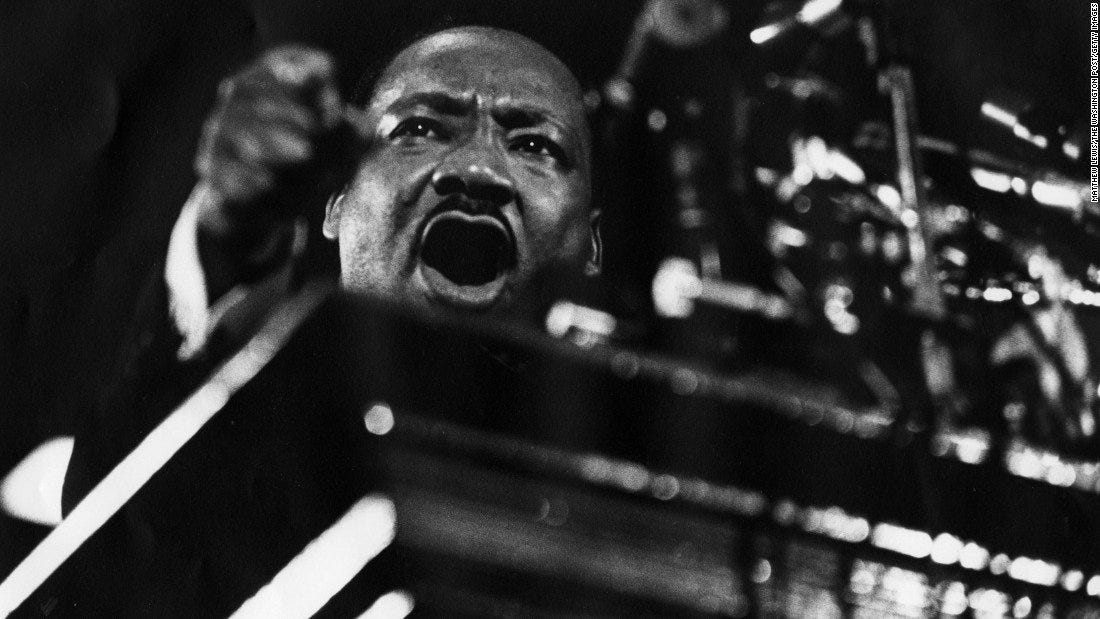
The tradition of the party host giving the perfect New Year’s Eve toast has been one that has carried on for hundreds of years. You may be considering what to say this upcoming holiday to all of your friends and family that gather to ring in the new year. To help ignite inspiration we thought we would share with you some of history’s most memorable New Year’s Eve toasts.

  1. “Be at war with your vices, at peace with your neighbors, and let every new year find you a better man.” — Benjamin Franklin

  2. “For last year’s words belong to last year’s language, and next year’s words await another voice. And to make an end is to make a beginning.” — T.S. Eliot

  3. “You have brains in your head. You have feet in your shoes. You can steer yourself, any direction you choose.” — Dr. Suess

  4. “Ring out the old, ring in the new, Ring, happy bells, across the snow: The year is going, let him go; ring out the false, ring in the true.” — Alfred Lord Tennyson

  5. “We must always change, renew, rejuvenate ourselves; otherwise we harden.” — Johann Wolfgang von Goethe

  6. “In victory, you deserve Champagne, in defeat, you need it.” — Napoleon Bonaparte
    “Your success and happiness lies in you. Resolve to keep happy, and your joy and you shall form an invincible host against difficulties.” — Helen Keller

  7. “There comes a time in every woman’s life when the only thing that helps is a glass of Champagne.” — Bette Davis

  8. “Always do sober what you said you’d do drunk. That will teach you to keep your mouth shut.” — Ernest Hemingway

  9. “Take everything in moderation, including moderation.” — Oscar Wilde

  10. “Too much of anything is bad, but too much Champagne is just right.” — F. Scott Fitzgerald

  11. “Each age has deemed the new-born year the fittest time for festal cheer.” — Sir Walter Scott

  12. “Tomorrow, and tomorrow, and tomorrow Creeps in this petty pace from day to day.” — William Shakespeare

  13. “You are never too old to set another goal or to dream a new dream.” — C.S. Lewis

  14. “May you live to be 100 and may the last voice you hear be mine.” — Frank Sinatra

Wishing you the Happiest of New Year from the Toast of the Town team!

As always if you are looking for help with your next event support is just a CLICK away.

Thanks for reading Capturing Voices! Subscribe for free to receive new posts and support my work.
15 of History’s Most Memorable New Year’s Eve Toasts

15 of History’s Most Memorable New Year’s Eve Toasts

The tradition of the party host giving the perfect New Year’s Eve toast has been one that has carried on for hundreds of years. You may be considering what to say this upcoming holiday to all of your friends and family that gather to ring in the new year. To help ignite inspiration we thought we would share with you some of history’s most memorable New Year’s Eve toasts.

  1. “Be at war with your vices, at peace with your neighbors, and let every new year find you a better man.” — Benjamin Franklin

  2. “For last year’s words belong to last year’s language, and next year’s words await another voice. And to make an end is to make a beginning.” — T.S. Eliot

  3. “You have brains in your head. You have feet in your shoes. You can steer yourself, any direction you choose.” — Dr. Suess

  4. “Ring out the old, ring in the new, Ring, happy bells, across the snow: The year is going, let him go; ring out the false, ring in the true.” — Alfred Lord Tennyson

  5. “We must always change, renew, rejuvenate ourselves; otherwise we harden.” — Johann Wolfgang von Goethe

  6. “In victory, you deserve Champagne, in defeat, you need it.” — Napoleon Bonaparte
    “Your success and happiness lies in you. Resolve to keep happy, and your joy and you shall form an invincible host against difficulties.” — Helen Keller

  7. “There comes a time in every woman’s life when the only thing that helps is a glass of Champagne.” — Bette Davis

  8. “Always do sober what you said you’d do drunk. That will teach you to keep your mouth shut.” — Ernest Hemingway

  9. “Take everything in moderation, including moderation.” — Oscar Wilde

  10. “Too much of anything is bad, but too much Champagne is just right.” — F. Scott Fitzgerald

  11. “Each age has deemed the new-born year the fittest time for festal cheer.” — Sir Walter Scott

  12. “Tomorrow, and tomorrow, and tomorrow Creeps in this petty pace from day to day.” — William Shakespeare

  13. “You are never too old to set another goal or to dream a new dream.” — C.S. Lewis

  14. “May you live to be 100 and may the last voice you hear be mine.” — Frank Sinatra

Wishing you the Happiest of New Year from the Toast of the Town team!

As always if you are looking for help with your next event support is just a CLICK away.

Thanks for reading Capturing Voices! Subscribe for free to receive new posts and support my work.
More on EBSCO Knowledge Advantage: Walter J. Ong

More on EBSCO Knowledge Advantage: Walter J. Ong

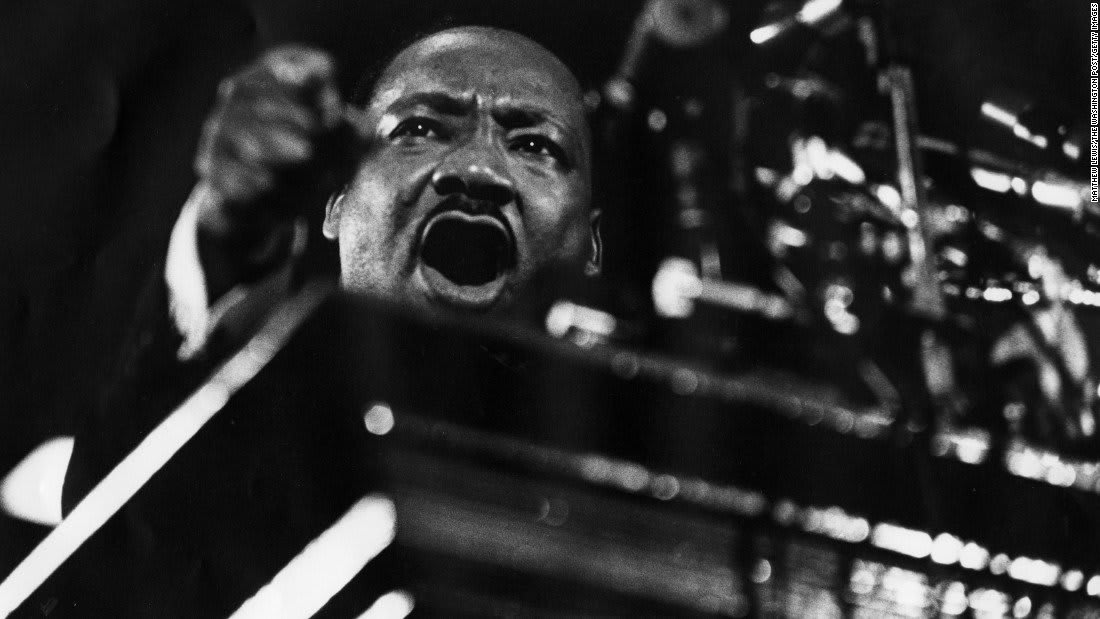
We’re interested in the intersection between the spoken word and the written word.

Find the original article and much more at: https://www.ebsco.com/research-starters/biography/walter-j-ong.

Biography

Throughout his career, Walter Jackson Ong concerned himself with the interrelationships between technologies of communication and changes in human consciousness. He was born on November 30, 1912, in Kansas City, Missouri, the son of Walter Jackson Ong and Blanche Eugenia (Mense) Ong. He studied at Rockhurst College, a small Catholic school in Kansas City run by the Jesuit Order. After receiving his B.A. from Rockhurst in 1933, he spent two years in newspaper and business positions before entering the Missouri Province of the Society of Jesus in 1935. He then went through the traditional course of studies for Jesuits, spending two years in a novitiate where he studied Latin and Greek and where he underwent rigorous ascetic training, including a thirty-day retreat based on the sixteenth century Spiritual Exercises of Saint Ignatius of Loyola.

In the late 1930’s, Ong studied philosophy at Saint Louis University, a Jesuit institution since 1828 and one with which he became closely associated. He received his Ph.L. (licentiate in philosophy) in 1940 and his M.A. in 1941. During regency, a period of practice teaching for Jesuit scholastics, he was an instructor for two years in English and French at Regis College in Denver. In 1944, he began his theological training at Saint Louis University, and during his first three years of studies, he also taught English. He was ordained a priest in 1946, and after another year of theology he received his S.T.L. (licentiate in sacred theology).

In the early 1950’s, Ong studied at Harvard University, where he came under the influence of Perry Miller and began his important work on the logician Petrus Ramus. This sixteenth century educational reformer made Ong aware of the revolutionary shift in sensibility brought about by the development of typography. Ramus simplified and modernized the old logic of Aristotle by concentrating on logic’s practical use as an instrument of discovery rather than as a tool of scholastic disputation. Ong used Ramism to illustrate the transformation that brought Western societies to react to words less as sounds and more as items in space, less as parts of a temporally successive oral argument and more as elements in a printed pattern.

Thanks for reading Capturing Voices! Subscribe for free to receive new posts and support my work.

This is complex and dense, so we’ve broken it into sections. More next Monday.

More on EBSCO Knowledge Advantage: Walter J. Ong

More on EBSCO Knowledge Advantage: Walter J. Ong

We’re interested in the intersection between the spoken word and the written word.

Find the original article and much more at: https://www.ebsco.com/research-starters/biography/walter-j-ong.

Biography

Throughout his career, Walter Jackson Ong concerned himself with the interrelationships between technologies of communication and changes in human consciousness. He was born on November 30, 1912, in Kansas City, Missouri, the son of Walter Jackson Ong and Blanche Eugenia (Mense) Ong. He studied at Rockhurst College, a small Catholic school in Kansas City run by the Jesuit Order. After receiving his B.A. from Rockhurst in 1933, he spent two years in newspaper and business positions before entering the Missouri Province of the Society of Jesus in 1935. He then went through the traditional course of studies for Jesuits, spending two years in a novitiate where he studied Latin and Greek and where he underwent rigorous ascetic training, including a thirty-day retreat based on the sixteenth century Spiritual Exercises of Saint Ignatius of Loyola.

In the late 1930’s, Ong studied philosophy at Saint Louis University, a Jesuit institution since 1828 and one with which he became closely associated. He received his Ph.L. (licentiate in philosophy) in 1940 and his M.A. in 1941. During regency, a period of practice teaching for Jesuit scholastics, he was an instructor for two years in English and French at Regis College in Denver. In 1944, he began his theological training at Saint Louis University, and during his first three years of studies, he also taught English. He was ordained a priest in 1946, and after another year of theology he received his S.T.L. (licentiate in sacred theology).

In the early 1950’s, Ong studied at Harvard University, where he came under the influence of Perry Miller and began his important work on the logician Petrus Ramus. This sixteenth century educational reformer made Ong aware of the revolutionary shift in sensibility brought about by the development of typography. Ramus simplified and modernized the old logic of Aristotle by concentrating on logic’s practical use as an instrument of discovery rather than as a tool of scholastic disputation. Ong used Ramism to illustrate the transformation that brought Western societies to react to words less as sounds and more as items in space, less as parts of a temporally successive oral argument and more as elements in a printed pattern.

Thanks for reading Capturing Voices! Subscribe for free to receive new posts and support my work.

This is complex and dense, so we’ve broken it into sections. More next Monday.