From Dictionary.com: What Does The đź«  Melting Face Emoji Mean?

From Dictionary.com: What Does The đź«  Melting Face Emoji Mean?

WHERE DOES đź«  MELTING FACE EMOJI COME FROM?

The Melting Face emoji đź«  was approved under Unicode 14.0 in 2021. On most platforms, the emoji resembles a yellow smiling face with a bottom half that is melting.

The Melting Face emoji 🫠 was designed by Neil Cohn and Jennifer Daniel in 2019. According to Cohn, the emoji was inspired by a trope in Japanese manga in which an embarrassed character will turn into paper and fly away. The Melting Face emoji 🫠 was intended to be “more visceral” while still being flexible enough to use to describe a wide variety of emotions.

Thanks for reading Capturing Voices! Subscribe for free to receive new posts and support my work.

From Dictionary.com: What Does The đź«  Melting Face Emoji Mean?

From Dictionary.com: What Does The đź«  Melting Face Emoji Mean?

WHERE DOES đź«  MELTING FACE EMOJI COME FROM?

The Melting Face emoji đź«  was approved under Unicode 14.0 in 2021. On most platforms, the emoji resembles a yellow smiling face with a bottom half that is melting.

The Melting Face emoji 🫠 was designed by Neil Cohn and Jennifer Daniel in 2019. According to Cohn, the emoji was inspired by a trope in Japanese manga in which an embarrassed character will turn into paper and fly away. The Melting Face emoji 🫠 was intended to be “more visceral” while still being flexible enough to use to describe a wide variety of emotions.

Thanks for reading Capturing Voices! Subscribe for free to receive new posts and support my work.

They Need Adept!

They Need Adept!

From Wendy Dreese: The State of California Needs Adept!

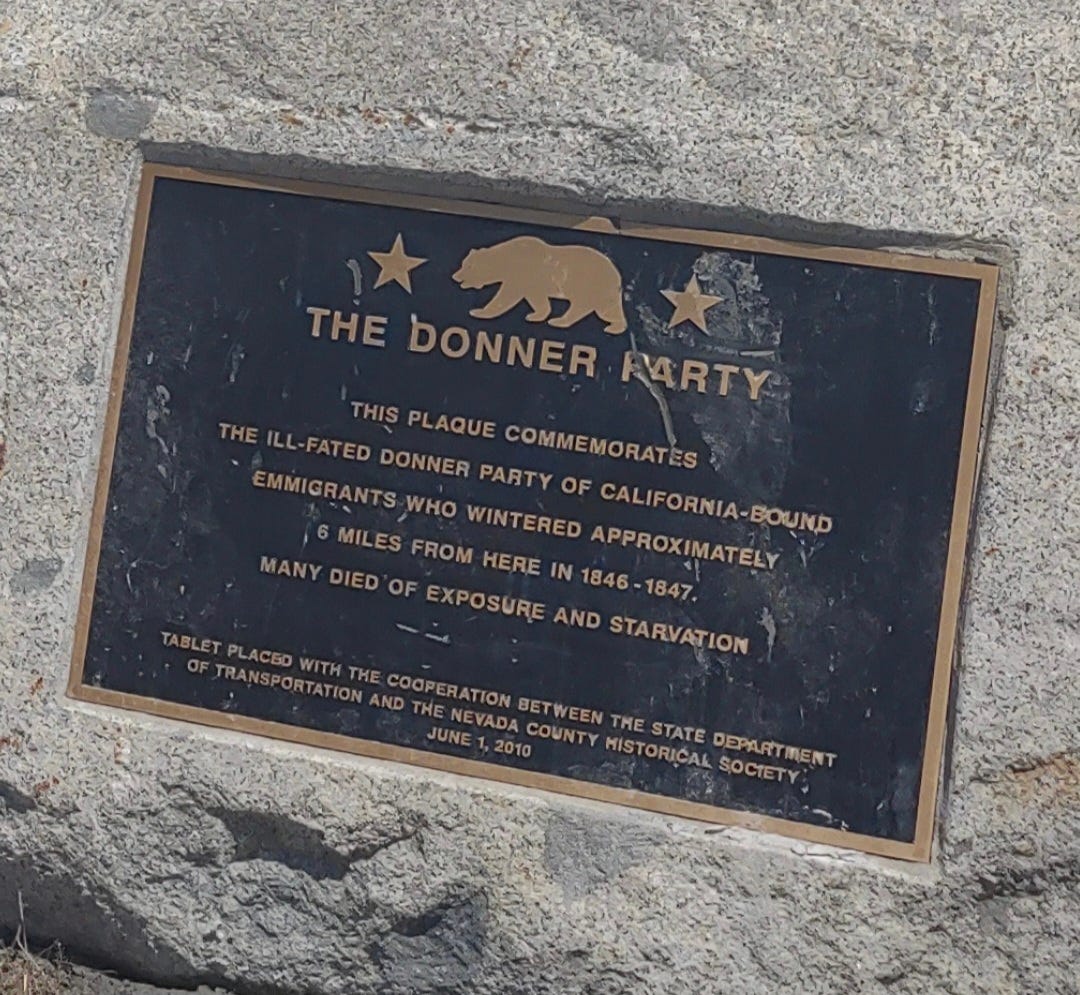
Can you spot the error? I looked up IMMIGRANT and still didn’t catch this, but one of our intrepid Transcription Experts did! Thanks Wendy!

Thanks for reading Capturing Voices! Subscribe for free to receive new posts and support my work.

In case you missed it! Immigrants refers to people moving INTO a place. From Merriam Webster:

immigrant noun

: a person who comes to a country to take up permanent residence

emigrant noun

: departing or having departed from a country to settle elsewhere

But the MMs have it!

“emmigrant”

The word you’ve entered isn’t in the dictionary. Click on a spelling suggestion below or try again using the search bar above.

Have a great weekend! And let us know if YOU Need Adept! We’ve been capturing the spoken word since 1990!

Thanks for reading Capturing Voices! Subscribe for free to receive new posts and support my work.

They Need Adept!

They Need Adept!

From Wendy Dreese: The State of California Needs Adept!

Can you spot the error? I looked up IMMIGRANT and still didn’t catch this, but one of our intrepid Transcription Experts did! Thanks Wendy!

Thanks for reading Capturing Voices! Subscribe for free to receive new posts and support my work.

In case you missed it! Immigrants refers to people moving INTO a place. From Merriam Webster:

immigrant noun

: a person who comes to a country to take up permanent residence

emigrant noun

: departing or having departed from a country to settle elsewhere

But the MMs have it!

“emmigrant”

The word you’ve entered isn’t in the dictionary. Click on a spelling suggestion below or try again using the search bar above.

Have a great weekend! And let us know if YOU Need Adept! We’ve been capturing the spoken word since 1990!

Thanks for reading Capturing Voices! Subscribe for free to receive new posts and support my work.

What are we remembering on Memorial Day?

What are we remembering on Memorial Day?

If you follow this blog, you know we transcribe oral histories. We have transcribed hundreds for the National WW2 Museum in New Orleans. Despite having grown up with John Wayne movies about the war, I didn’t know that many facts about the war. And there are a lot of minutiae that require research.

We were researching something a Navy vet said about Hogashi ammunition crews. I had no luck finding Hogashi or Higashi—or any other spelling—ammunition crews. That happens a lot. But in my search, I stumbled upon this opinion piece written by the son of this particular vet.

Thanks for reading Capturing Voices! Subscribe for free to receive new posts and support my work.

“This Thursday, June 6, will mark the 75th anniversary of the Normandy invasion, known as D-Day; a landmark in history that will garner a great deal of attention, and deservedly so. I continue to struggle, however, with the near universal avoidance of any recognition for the largest invasion of World War II, Okinawa.

If you stopped 100 people on the street and asked when D-Day was, probably 25 or more would know June 6, 1944; nearly everyone would know what you were talking about, and probably 99 of them would think of it as the largest invasion of the war. Similarly, if you asked those same 100 when L-Day, (the invasion of Okinawa) was, you’d be lucky to get one correct answer: April 1, 1945 — no fooling, and in 1945 also Easter Sunday. Most would know very little about the invasion or its significance in the war, or that April 1, 1945 was also known as L-Day.”

We Americans argue a lot. We argue about everything, and I suppose that’s the foundation of democracy. I remember hearing, in days gone by, about efforts to spread democracy around the world. I wondered then if these people were sure that the rest of the world wanted to adopt a style of government that required constant arguing.

But World War II was something. As usual, we were a very divided country about entering the war. We argued that it wasn’t our business. It wasn’t going to happen here. But then it did.

Listening to story after story about “Do you remember where you were, what you were doing, when you heard about Pearl Harbor?” is a fantastic experience. These days we have many markers, “Where were you on 9/11?” “Where were you when the Space Shuttle Challenger exploded?” But in 1942, there was no TV, and the stories of where and how people heard about the bombing of Pearl Harbor are many and varied. American English was different then. Think about how Cary Grant spoke, Katherine Hepburn, and FDR.

That’s what Memorial Day is for, remembering. Happy Memorial Day from all of us at Adept Word Management.


Thanks for reading Capturing Voices! Subscribe for free to receive new posts and support my work.