Interested in hosting an event, caucus/committee business meeting, meetup, or networking session at the OHA annual conference? Submit your request to the submission form now! Space is limited, and event approval is at the discretion of OHA’s program committee and executive office. Learn more about this year’s conference theme here. Please email questions to oha@oralhistory.org.
The Oral History Center is offering a virtual version of our one-week Advanced Institute on the methodology, theory, and practice of oral history. This will take place July 27-31, 2026. The Advanced Institute will be held online. The cost of the Advanced Institute is $650. The institute is designed for graduate students, postdoctoral fellows, university […]
June 23-25, 2026 The Oral History Association will host a virtual three-day symposium on trauma-informed interviewing, reckoning, and beyond, June 23, 24 and 25, 2026. The first day of the symposium will focus on trauma informed interview methodology, including project design, community engagement, and interview techniques. The second day will explore reckoning with ethical issues […]
I definitely prefer working at home. Despite the arguments that interaction between workers sparks creativity, I find that my staff is so used to working online, that they’re just as creative working on their own computers.
I’ve noticed that when I tell Sam’s or Walmart I’m on my way to pickup my order, they immediately start tracking me. Why do they need to know where I’m coming from?
From Windows Central <windowscentral@smartbrief.com>
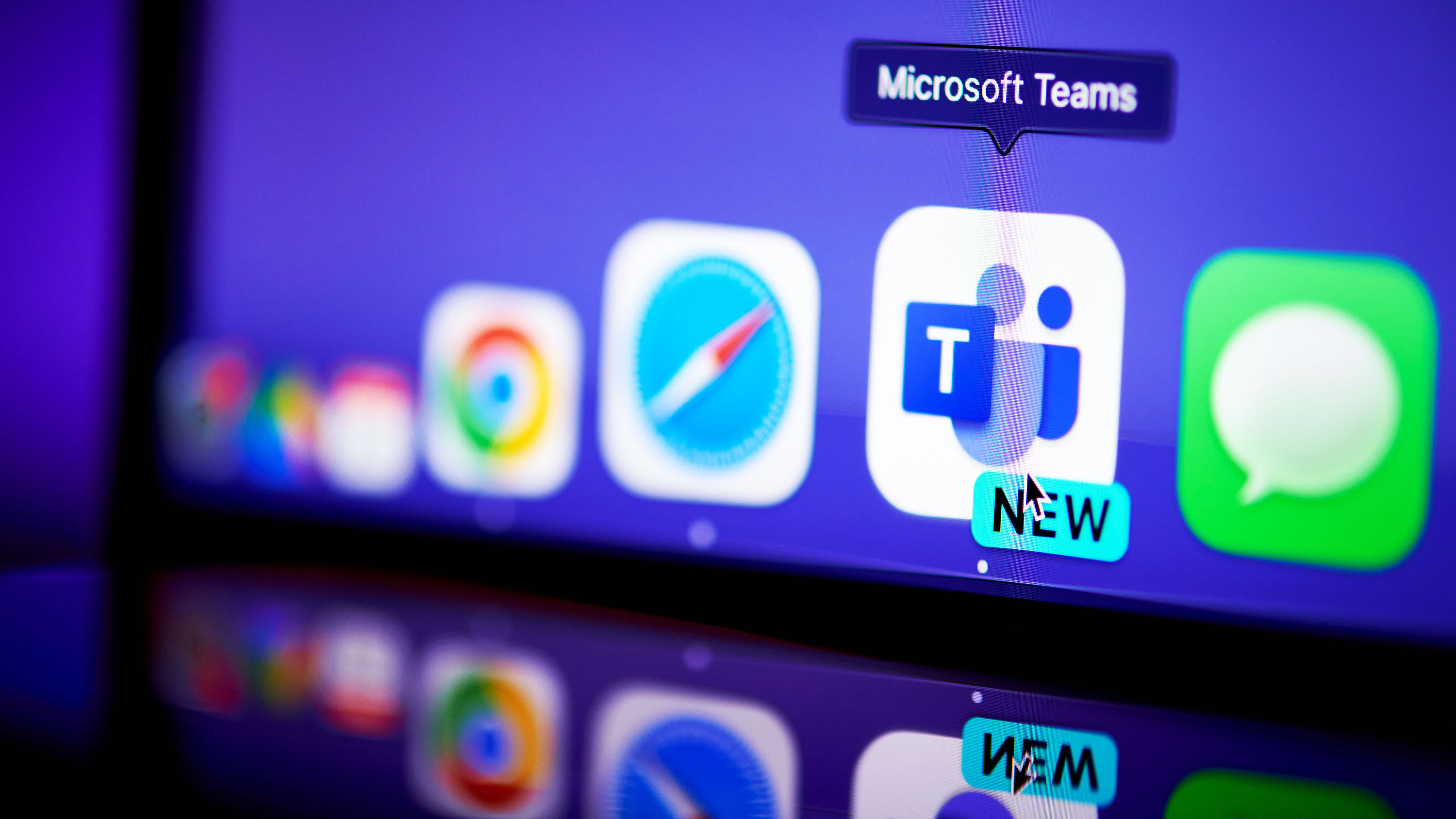
Shortly after the post became viral, Microsoft quietly changed how the feature works, as highlighted below:
“When users connect to their organization’s Wi-Fi, Teams will soon be able to automatically update their work location to reflect the building they’re working from. This feature will be off by default. Tenant admins will decide whether to enable it and require end-users to opt-in.”
“Microsoft is blurring the lines between coworker collaboration and IT oversight.
IT wise, yes the info was always there. But nobody is asking IT to snitch on you. The entire point of this is that your boss just has to click your name on Teams and now they know where you are. No IT requests, no privacy/ethics concerns, no breach of trust. It’s just right there at any time.
What’s the next step? The same tracking but for your phone? Microsoft letting your boss look at your screen? Sending your boss daily reports on click rates, words typed, program usage, etc?”
Interestingly, some users seem unfazed by the change, claiming that most Microsoft products and services already ship with this feature in some shape or form. “Most Microsoft products already meet the criteria for what we’d normally call spyware. What’s another drop in a flooded bucket?”a Reddit user indicated.
Some users came up with some interesting ideas on how to bypass the new Teams feature’s invasive nature, suggesting using a wired connection at the office instead of Wi-Fi. “I just won’t install teams on my phone then, and when I’m working remote they can’t find me anyway they can just message me and I’ll answer from the laptop,” another Reddit user indicated.
On the other hand, some users suggested that Microsoft’s efforts were seemingly misplaced and indicated that it should redirect them to fix some UI and UX elements in its Windows operating system. “God forbid they spend time to make the Windows search actually search my computer again,” a user indicated.
After reviewing hundreds of comments, it’s clear that users either want the feature scrapped entirely or simply don’t care, since many work remotely. “I swear there must be a team at MS that is just tasked with making Teams worse,”a user indicated on Reddit.
Thanks for reading Capturing Voices! Subscribe for free to receive new posts and support my work.
I definitely prefer working at home. Despite the arguments that interaction between workers sparks creativity, I find that my staff is so used to working online, that they’re just as creative working on their own computers.
I’ve noticed that when I tell Sam’s or Walmart I’m on my way to pickup my order, they immediately start tracking me. Why do they need to know where I’m coming from?
From Windows Central <windowscentral@smartbrief.com>
Shortly after the post became viral, Microsoft quietly changed how the feature works, as highlighted below:
“When users connect to their organization’s Wi-Fi, Teams will soon be able to automatically update their work location to reflect the building they’re working from. This feature will be off by default. Tenant admins will decide whether to enable it and require end-users to opt-in.”
“Microsoft is blurring the lines between coworker collaboration and IT oversight.
IT wise, yes the info was always there. But nobody is asking IT to snitch on you. The entire point of this is that your boss just has to click your name on Teams and now they know where you are. No IT requests, no privacy/ethics concerns, no breach of trust. It’s just right there at any time.
What’s the next step? The same tracking but for your phone? Microsoft letting your boss look at your screen? Sending your boss daily reports on click rates, words typed, program usage, etc?”
Interestingly, some users seem unfazed by the change, claiming that most Microsoft products and services already ship with this feature in some shape or form. “Most Microsoft products already meet the criteria for what we’d normally call spyware. What’s another drop in a flooded bucket?”a Reddit user indicated.
Some users came up with some interesting ideas on how to bypass the new Teams feature’s invasive nature, suggesting using a wired connection at the office instead of Wi-Fi. “I just won’t install teams on my phone then, and when I’m working remote they can’t find me anyway they can just message me and I’ll answer from the laptop,” another Reddit user indicated.
On the other hand, some users suggested that Microsoft’s efforts were seemingly misplaced and indicated that it should redirect them to fix some UI and UX elements in its Windows operating system. “God forbid they spend time to make the Windows search actually search my computer again,” a user indicated.
After reviewing hundreds of comments, it’s clear that users either want the feature scrapped entirely or simply don’t care, since many work remotely. “I swear there must be a team at MS that is just tasked with making Teams worse,”a user indicated on Reddit.
Thanks for reading Capturing Voices! Subscribe for free to receive new posts and support my work.
Words & Silences | Palabras & Silencios The Editorial Team of Words & Silences | Palabras & Silencios is pleased to invite submissions for articles and reviews in our upcoming 2026 edition. Published by the International Oral History Association (IOHA), the journal is a peer-reviewed, open-access digital publication, freely available online, that welcomes contributions from all individuals […]